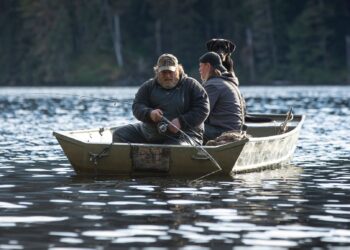
Thinking about visiting Port Protection, Alaska? From modern conveniences to everyday life beyond the TV show, here are six things that often surprise first-time visitors.
Port Protection, Alaska, occupies a spectacular corner of Southeast Alaska, tucked into Wooden Wheel Cove on the northwestern tip of Prince of Wales Island. For many people, their first glimpse of this tiny community comes through National Geographic’s Port Protection, where rugged residents battle the elements while living far from the conveniences of modern life.
The series captured many real aspects of life here. Port Protection is genuinely remote, home to just 36 residents in the 2020 U.S. Census, with more recent estimates often placing the year-round population even lower. But like any television show, it could only tell part of the story.
Spend time in the community, and you’ll quickly discover that everyday life is more nuanced than what appears on screen. Alongside the challenges are modern comforts, quiet routines, and a close-knit community that doesn’t always make it into a 45-minute episode.
Here are some of the things that often surprise first-time visitors—and how the reality compares to what viewers saw on television.
1. It’s Remote, But Not Completely Cut Off From the World
What the show got right
The series emphasized Port Protection’s isolation, and for good reason. There are no direct road connections for much of the year, and residents rely heavily on boats, floatplanes, and self-sufficiency to get by.
What might surprise you
Despite its remoteness, Port Protection isn’t completely disconnected from the modern world. Many residents now have satellite internet, allowing them to make video calls, shop online, and even create content for YouTube and social media. Connections can be slow and weather-dependent, but they exist. Cell service remains limited or nonexistent in parts of the community, although residents have learned to work around those limitations.
Transportation is also more structured than many visitors expect. Floatplane service generally operates on scheduled days—typically Tuesdays and Saturdays, weather permitting—and during the summer, seasonal logging roads can connect toward Craig, a journey of roughly 100 miles that takes about four to five hours when conditions allow.
Most visitors arrive by bush plane, enjoying spectacular views of Southeast Alaska’s forests, islands, and waterways along the way, much like those seen in Hans Porter’s videos. The journey feels adventurous, but with a little planning, it’s entirely manageable. Ketchikan, about 100 miles away, serves as the main transportation hub for most travelers.
2. The Community Feels Smaller—and More Welcoming—Than Many Expect
What the show got right
Port Protection focused on a handful of memorable personalities tackling demanding jobs and difficult situations. Those people are very real, but they represent only part of the community.
What might surprise you
With a year-round population that generally fluctuates between about 20 and 40 residents, Port Protection feels less like a town and more like a close-knit neighborhood. People know one another well, and helping each other is simply part of daily life.
Visitors are often surprised by how welcoming residents can be. Rather than keeping to themselves, many are happy to chat, share stories, or lend a hand with community projects. Local videos showing neighbors working together on Veronica Arrants’ porch roof in 2026 offer a good example of how everyday cooperation is woven into life here.
Families such as Carl and Morgan, along with newer residents like Veronica in the back bay, also remind visitors that Port Protection isn’t made up solely of rugged individualists. It’s home to families, friendships, and ordinary daily routines that television naturally spent less time showing.
3. Everyday Life Includes More Comforts Than You Might Expect
What the show got right
Storms, equipment failures, and preparing for winter are all genuine parts of life in Port Protection.
What might surprise you
Life isn’t a constant survival challenge. Away from the dramatic moments, residents enjoy many of the same simple pleasures found elsewhere—just with a uniquely Alaskan backdrop.
Visitor footage and local videos have showcased wood-fired hot tubs, fresh seafood feasts, homemade kelp pickles, scenic boat rides beneath soaring bald eagles, and quiet evenings spent watching the bay. On sunny days, the community can feel remarkably peaceful.
Some of the biggest surprises include:
- Fresh local food. Grocery prices are high, but residents enjoy exceptional seafood, wild game, and home-preserved foods. Visitors staying with fishing charters often enjoy meals featuring salmon, halibut, crab, or the day’s fresh catch.
- Outdoor recreation. World-class fishing, wildlife viewing, kayaking, boating, and hiking are all easily accessible. Many charter operators offer guided or self-guided trips, complete with lodging.
- Unexpected comforts. Cabins connected by boardwalks, generators, solar power systems, efficient woodstoves, and other practical innovations make everyday life more comfortable than many people imagine after watching the series.
4. Visiting Is More Accessible—And More Expensive—Than You Might Think
What the show got right
Getting to Port Protection has never been easy. The community’s remote location means there are no direct road connections for much of the year, and every trip depends on boats, floatplanes, tides, and the weather.
What might surprise you
You don’t need to be an experienced wilderness adventurer to visit. Charter operators offer complete packages that include transportation, lodging, meals, fishing equipment, and fish processing, making it possible for visitors to experience Port Protection without owning a boat or having extensive backcountry skills.
That said, the trip comes at a price. Transportation, limited accommodation, and the community’s remote location make visiting more expensive than many mainland destinations. Summer is generally the most popular time to visit thanks to better weather and outstanding fishing, so booking well in advance is highly recommended.
Visitors should also expect plans to change from time to time. Flights and boats can be delayed—or occasionally canceled altogether—when the weather doesn’t cooperate, making flexibility an essential part of any trip.
The reward is an experience that feels refreshingly authentic. Instead of crowded attractions and tourist hotspots, visitors are more likely to find genuine conversations, quiet scenery, and a glimpse into everyday life in one of Alaska’s smallest communities.
Also read:
5. The Economy Blends Traditional Skills With Modern Opportunities
What the show got right
Fishing and subsistence living remain at the heart of Port Protection.
What might surprise you
The local economy has evolved alongside the community.
Many residents still rely on commercial fishing, subsistence harvesting, and charter businesses, but they also supplement their income through guiding, seasonal work, crafts, online content, and tourism. The television series introduced Port Protection to a global audience, and that increased visibility continues to bring visitors interested in experiencing the community for themselves.
Residents have also embraced practical innovations that make remote living more sustainable. Greenhouses extend the growing season, online tools help connect with the outside world, and modern equipment works alongside traditional skills.
Life still follows the tides and the seasons more than the clock, but it isn’t frozen in the past.
6. Residents Think Constantly About the Future
What the show got right
The series highlighted how closely residents depend on the surrounding land and water for their livelihoods. That connection to nature is every bit as real as it appeared on television.
What might surprise you
Visitors are often struck by how frequently conversations turn to the future of the community and the environment.
Residents have a deep respect for the forests, fisheries, and waterways that sustain them because their way of life depends directly on healthy ecosystems. Conservation, responsible harvesting, and caring for the surrounding Tongass National Forest are part of everyday life rather than abstract ideas.
At the same time, locals openly acknowledge the challenges ahead. Fisheries continue to change, infrastructure requires constant upkeep, and, like many small rural communities, Port Protection has seen its population gradually decline over the years.
The landscape may appear untouched, but maintaining this way of life requires ongoing effort, careful stewardship, and a long-term commitment to preserving both the community and the environment that supports it.
Visiting Port Protection: What to Expect
If Port Protection first sparked your interest in this remarkable community, expect a place that is both more approachable and more demanding than television suggests. The challenges are real when storms roll in, equipment breaks, or supplies are delayed.
But so are the quiet evenings watching the sun set over the bay, the laughter shared on the docks, and the satisfaction that comes from enjoying a meal caught just hours earlier. Port Protection rewards visitors who arrive with curiosity, flexibility, and respect for both the people and the environment.
Come for the fishing, wildlife, and spectacular scenery, but don’t be surprised if it’s the people who leave the strongest impression. Their stories, resilience, and sense of community reveal a side of Port Protection that no television series could ever fully capture.
Whether you’re planning a fishing trip or simply fascinated by life in one of America’s most remote communities, Port Protection offers a richer, quieter, and more human experience than any single season of television could ever show.
Practical Tips for Visitors
- Book your charter and accommodation well in advance, especially during summer.
- Pack for rapidly changing weather—good rain gear is essential.
- Respect the community, local customs, and the surrounding environment.
- Slow down and embrace the pace of life. That’s one of the things that makes Port Protection so memorable.
Also read: