A forensic look at the danger, realism, and high-stakes drama that separates the Bering Sea crab fleets from the Atlantic tuna hunters.
For decades, high-stakes reality television has been defined by a unique kind of documentary: series that follow people working in some of the world’s most dangerous maritime industries. At the centre of that genre sits Deadliest Catch, the long-running Bering Sea documentary that has become the benchmark for every series that followed. Since its debut, it has functioned as the benchmark for every production that followed, from the rod-and-reel competition of the Atlantic to the solitary survivalism of the Arctic tundra.
A comparison between Deadliest Catch and Wicked Tuna goes far beyond fishing methods. It is really a study in human endurance, risk management, and storytelling.
Deadliest Catch vs Wicked Tuna: A Tale of Two Oceans
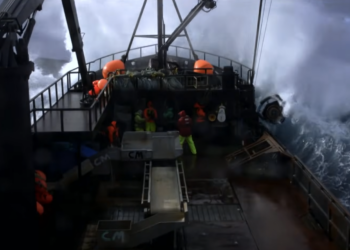
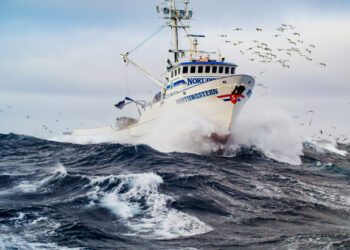
Although both shows explore commercial fishing, they operate in completely different worlds. Deadliest Catch follows crews aboard massive steel vessels, typically ranging from 100 to over 150 feet in length. These ships are designed to withstand the legendary brutality of the Bering Sea—an environment defined by 30 to 60-foot waves, freezing spray, and the constant threat of icing, which can make a vessel top-heavy and prone to capsizing.
The work itself is industrial in scale. Deckhands haul 600 to 800-pound steel pots in near-freezing conditions. The risks are catastrophic and immediate: crushing injuries from swinging gear, man-overboard scenarios in water that kills in minutes, and the ever-present danger of the ship sinking. Historically, the show has documented real-world tragedy, including the sinking of the Big Valley during its early years, grounding the show in a grim reality that few other programs can match.
Wicked Tuna, by contrast, operates in the Atlantic waters off Gloucester, Massachusetts, and the Outer Banks of North Carolina. The scale here is intimate. Captains and crews typically operate smaller, faster boats in the 30 to 50-foot range. Instead of massive hydraulic launchers and heavy pots, the tools of the trade are rod-and-reel or harpoons. The target is the Atlantic bluefin tuna, a prize that can weigh over 1,000 pounds and sell for tens of thousands of dollars.
While the Atlantic can certainly turn deadly, the fishery allows for more predictable weather windows and is generally closer to shore, making rescue operations more feasible. The danger in Wicked Tuna is often more subtle—mechanical failures, extreme fatigue, and the physical strain of battling a massive fish for hours. However, it lacks the apocalyptic weather and heavy machinery risks that define the Alaskan crab seasons.
Danger Comparison: Assessing the Risk
When conducting a danger comparison, Deadliest Catch remains the objective winner in terms of raw peril. The historical fatality rates of the Bering Sea crab fishery are among the highest of any profession in the United States. The combination of extreme weather fishing, heavy gear, and remote locations creates a “perfect storm” of hazards. While Wicked Tuna has its share of risks—including injuries from gear and the occasional rogue storm—the odds of a catastrophic loss of a vessel are statistically lower than in the Bering Sea.
The financial stakes also differ in their delivery. Wicked Tuna is a “one big fish” game where a single catch can save a season. Deadliest Catch is an all-or-nothing haul where crews work around the clock to fill a massive tank. A bad trip in the Bering Sea doesn’t just mean a low paycheck; it can mean total financial ruin for the boat owner given the massive overhead of operating such large vessels.
Realism and Drama in Modern Production
Both shows utilize editing to create compelling narratives, but their styles diverge significantly. Deadliest Catch is known for its gritty, unfiltered feel. This is largely due to the embedded camera crews who must endure the same 40-foot waves and freezing temperatures as the fishermen. The suffering captured—seasickness, exhaustion, and genuine fear—is often unvarnished.
Wicked Tuna leans more heavily into the “competitive” aspect of reality TV. It emphasizes captain rivalries, strategy, and “trash-talk.” While the fishing is real, the drama often feels more produced, focusing on the interpersonal conflicts between the boats as they vie for the top spot on the leaderboard.
Deadliest Catch vs Life Below Zero: Sea vs Tundra
Shifting the lens from the ocean to the land, we find another fascinating comparison: Deadliest Catch vs Life Below Zero. While Deadliest Catch is a team-based industrial operation, National Geographic’s Life Below Zero follows individuals and families living in remote Alaska.
The challenges in Life Below Zero are characterized by solitary survival. There are no massive paydays here; the “wage” is simply making it through the winter. Instead of rogue waves, participants face sub-zero temperatures, food scarcity, and wildlife encounters with bears and wolves.
The danger in Life Below Zero is a “slow burn.” While a crab boat might sink in seconds, a survivalist in the Arctic faces the constant, grinding threat of starvation or equipment failure in a place where help is days away. Deadliest Catch celebrates the blue-collar grit of the commercial industry, while Life Below Zero explores minimalism, Indigenous perspectives, and the art of coexisting with a landscape that is constantly trying to kill you.
Broader Survival Documentaries and Best Fishing Shows
The landscape of Discovery-style productions extends into other arenas of dangerous work. Ice Road Truckers shares a spiritual DNA with Deadliest Catch, focusing on seasonal workers who face blizzards and thin ice to deliver loads to remote mines. Both shows highlight the camaraderie and pressure of “most dangerous job” narratives, though maritime hazards often feel more primal to the viewer.
Other programs like Alaska: The Last Frontier or Bering Sea Gold offer variations on the theme, focusing on homesteading or gold dredging. While these provide excellent entertainment, they rarely reach the sustained life-or-death intensity of a crab boat in a January gale. For those seeking pure fishing adventure, River Monsters or the swordfishing drama of Swords offer specialized looks at the craft, but often on a smaller, less ensemble-driven scale.
What Makes Deadliest Catch Unique?
So, why does Deadliest Catch remain the gold standard among the best fishing shows and survival documentaries? It comes down to a few key pillars:
Scale and Spectacle: The visuals are simply unmatched. Seeing a 150-foot vessel disappear under a “green water” rogue wave is cinematic in a way that rod-and-reel fishing cannot replicate.
High Stakes: The “Derby” days may be gone, replaced by quotas, but the pressure remains. Short seasons and high operating costs mean that every single pot matters.
Character Depth: The show has benefited from 20+ seasons of character development. Viewers have watched captains like Sig Hansen and the late Phil Harris grow, age, and face health crises. We aren’t just watching fishermen; we are watching a multi-generational family saga.
Raw Authenticity: Real deaths have occurred during the show’s tenure. This isn’t just “reality TV” fluff; it is a document of a dangerous trade that has claimed lives both on and off camera.
The Final Verdict on Realism
While all reality television involves a degree of narrative shaping, Deadliest Catch is widely considered one of the most realistic programs in the genre. Its longevity is a testament to its ability to balance spectacle with humanity. It doesn’t just show the danger; it explains the mechanics of the industry, the shifts in sustainability and safety regulations, and the economic pressures that drive men into the storm.
Whether you prefer the tactical competition of Wicked Tuna, the quiet endurance of Life Below Zero, or the industrial fury of the Bering Sea featured in Deadliest Catch, each series offers a different perspective on people who make a living in some of the world’s harshest environments.