Life in Port Protection, Alaska offers breathtaking scenery and true independence, but it also comes with isolation, hard work, and a lifestyle that isn’t for everyone.
Port Protection, Alaska, sits in a breathtaking yet demanding corner of Southeast Alaska, tucked into Wooden Wheel Cove on the northwestern tip of Prince of Wales Island. With a population of just 36 in the 2020 Census—and more recent estimates often placing the year-round population in the low-to-mid 20s—it remains one of America’s smallest and most isolated communities.
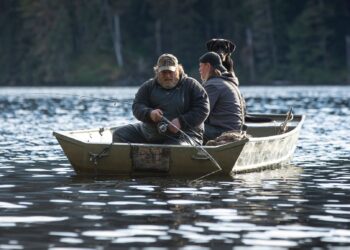
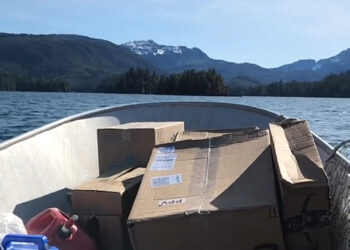
For much of the year, the only practical way in or out is by boat or seaplane. There are no direct road connections, and daily life follows the rhythms of tides, weather, and the seasons. For many people, the appeal is obvious: stunning scenery, abundant wildlife, and the kind of independence that has become increasingly rare. The reality, however, includes both remarkable rewards and very real challenges.
Drawing from resident accounts, crew observations, economic profiles, and recent 2025–2026 local videos, here’s a balanced look at the good and the bad news about calling Port Protection home.
The Good News: Freedom, Community, and Natural Abundance
Unparalleled Natural Beauty and Wildlife
Residents wake up to bald eagles, whales moving through the cove, salmon runs, and miles of pristine rainforest. The surrounding waters offer world-class fishing for salmon, halibut, and rockfish, while the forests provide opportunities for hunting and foraging that many people only dream about.
On clear days, the views from waterfront homes and boats are extraordinary. Recent community videos capture sunny gatherings on the docks, fireworks reflected on the water, and fresh seafood meals shared among neighbors—small moments that remind residents why they chose this place.
True Independence and Self-Reliance
For people who enjoy working with their hands, Port Protection offers a level of independence that is difficult to find elsewhere. Many residents build or modify their own homes, generate their own power, harvest much of their own food, and set their own schedules.
Skills such as boat repair, wood cutting, gardening, and food preservation become part of everyday life. Families like Carl and Morgan have even built greenhouses to grow vegetables despite the short growing season and high cost of store-bought produce.
A Strong Sense of Community
In a community this small, neighbors tend to look after one another. People help with roofing projects, share tools and supplies, and check in on each other during storms or long winter stretches.
Events such as the Fourth of July celebrations on the dock highlight the community’s lively social spirit. Newer residents, including Veronica Arrants in the back bay, have become part of the community through family connections, shared projects, and mutual support.
Low Crime and a Simpler Pace
With such a tiny population, serious crime is extremely rare. Life moves at a slower pace, guided more by tides and seasons than by traffic, deadlines, or crowded schedules. Many residents appreciate the escape from constant consumerism and the opportunity to focus on essentials.
Unique Ways to Earn a Living
Commercial fishing, sport-fishing charters, small-scale tourism, cabins, guided trips, and local crafts all provide income opportunities. The TV show’s popularity has also helped keep Port Protection on the radar for visitors interested in experiencing a remote Alaska community.
Some residents supplement their earnings with online content, seasonal work, or tourism-related projects.
The More Challenging Side: Isolation and Practical Realities
Extreme Isolation
Port Protection is roughly 100 miles from Ketchikan by air or water and about 99–100 miles from Craig by seasonal road. Even when roads are passable, the trip can take four to five hours.
Medical emergencies, major repairs, and routine shopping all require planning. Weather can delay planes and boats for days, sometimes longer, and transportation is expensive.
High Living Costs
Groceries, fuel, and replacement parts cost significantly more than they do in larger Alaskan towns because everything must be transported into the community.
While the median household income is estimated at around $42,762, many jobs are seasonal and income can fluctuate from year to year. Commercial fishing, in particular, depends heavily on fish runs and market conditions.
Weather and Physical Work
Southeast Alaska receives well over 100 inches of rain annually, along with high winds and long, dark winters. Storms regularly damage roofs, docks, and other infrastructure.
Daily life involves a great deal of physical labor: chopping wood, hauling supplies, maintaining boats, repairing equipment, and preparing for winter. The combination of isolation and limited daylight can also be mentally challenging for some residents.
Limited Services and Amenities
Port Protection has one small trading post. There are no hospitals, large grocery stores, restaurants, or entertainment venues nearby. Internet service is available but often slower and less reliable than what most people are used to, and access to specialized medical care usually means traveling to another community.
A Very Small Population
With only a few dozen residents, social options are naturally limited. When someone moves away or passes on, the impact is felt throughout the entire community.
Many younger people leave for education, careers, or broader opportunities elsewhere, which raises ongoing questions about the long-term sustainability of such a small settlement.
The Good vs. The Challenging
|
Aspect |
The Good News |
The Bad News |
|
Location & Access |
Stunning, pristine wilderness with abundant wildlife |
Extreme isolation; difficult/expensive access to services |
|
Daily Life |
Self-reliant freedom and slower pace |
Physically demanding; constant maintenance and labor |
|
Economy |
Diverse opportunities in fishing, charters, subsistence |
High costs, fluctuating income, limited jobs |
|
Community |
Strong mutual support and tight bonds |
Very small social circle; impacts of departures or loss |
|
Lifestyle |
Deep connection to nature and independence |
Harsh weather, limited amenities, mental/physical strain |
Weighing the Trade-Offs
Port Protection is neither a perfect wilderness paradise nor an impossible place to live. It is a real community where people make deliberate trade-offs.
The good news attracts those seeking authenticity, natural beauty, independence, and a closer connection to the land and sea. The more challenging side tests that commitment through isolation, weather, physical work, and limited services.
Recent videos from Alaska-Vibes and other local creators show residents continuing to adapt—building greenhouses, improving food storage, repairing homes, celebrating holidays together, and finding new ways to make remote living work.
The television series highlighted the drama and beauty of Port Protection, but everyday life is often quieter and more practical than what appeared on screen.
Also read:
The Bottom Line
For anyone considering a visit—or even dreaming about moving there—the most consistent advice from residents is simple: spend time in the community if you can, talk to the people who live there, and go in with realistic expectations.
The freedom is genuine.
The scenery is extraordinary.
And the sense of community is something many residents treasure deeply.
But those rewards come with responsibilities that are every bit as real as the beauty that first draws people in.
In the end, Port Protection offers something increasingly rare: a chance to live deliberately, closely connected to nature, and surrounded by a small group of people who depend on one another. Whether that sounds like wonderful news, challenging news, or a little of both depends largely on what you value most.