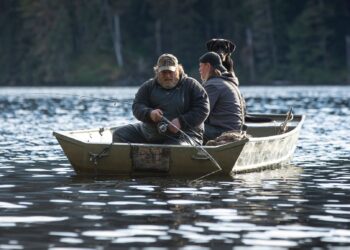
Morgan Turcott and Carl Hernandez are raising two young children in Port Protection’s back bay. Here’s a closer look at their off-grid family life, homestead projects, and everyday routines.
In the quiet back bay of Port Protection, Alaska, Morgan Turcott is building a life that looks very different from the one she once knew. Together with her partner, Carl Hernandez, she is raising two young children while embracing the rhythms—and the realities—of off-grid living in one of the country’s most remote communities.
Through honest conversations and everyday moments shared on her social media, Morgan has given viewers a grounded look at motherhood, partnership, and practical homesteading in Southeast Alaska. Her story stands out because it captures the full picture of family life in Port Protection: the hard work, the small victories, and the deep connection to the place that continues to keep her family rooted there.
How Morgan and Carl Built Their Life in the Back Bay
Morgan and Carl live with their two children in the back bay section of Port Protection. As of mid-2026, their family includes a toddler around two years old and a younger infant, who was about five months old during the community’s early-2026 New Year’s livestream.
Over the past few years, they have become familiar faces in local content, particularly through Alaska-Vibes, where viewers have watched them gradually expand their homestead as their family has grown.
The couple’s approach to life feels both practical and collaborative. Carl often takes the lead on larger building projects, while Morgan focuses on family life, gardening, and sharing honest reflections on what day-to-day living really requires in such a remote setting. Together, they’ve chosen to raise their children surrounded by forests, water, and wildlife—a lifestyle that offers incredible rewards while demanding far more planning and effort than most families ever have to consider.
Building a Greenhouse for a Growing Family
One of the latest and clearest windows into their everyday life came in the Alaska-Vibes episode “Growing Family w/ Carl & Morgan,“ which premiered on June 5, 2026.
The episode follows Carl as he builds a greenhouse, but the project itself is about much more than construction. As Morgan explains, with two growing children and the high cost of groceries in a community where nearly everything has to be brought in by boat or floatplane, producing more of their own food has become an increasingly important goal.
The greenhouse will allow the family to grow vegetables such as bell peppers, jalapeños, cilantro, and other fresh produce that would otherwise be expensive—or difficult—to obtain.
Morgan has also been refreshingly open about the learning process. In a video, she shares the excitement of planting while also acknowledging the trial and error that comes with gardening during Southeast Alaska’s short growing season. Rather than presenting an idealized version of homesteading, she shows the reality: learning as she goes, adapting when things don’t work, and celebrating the small successes along the way.
The greenhouse has become more than just another homestead project. It reflects the family’s broader goal of becoming increasingly self-sufficient while creating a healthier, more sustainable future for their children.
Like many residents of Port Protection, Carl and Morgan already rely heavily on fishing, foraging, and preserving food throughout the year. Growing more of their own produce is simply another step toward reducing costs while maintaining the independence that draws so many people to this unique way of life.
Motherhood Far from Everyday Conveniences
Morgan’s updates also offer an honest look at what it means to raise young children in Port Protection.
Her videos capture everyday family moments—caring for the kids, spending time outdoors, and managing the additional responsibilities that come with young children in an off-grid environment.
She has spoken about the balance between enjoying the closeness of family life and the surrounding wilderness while managing the extra planning that almost everything requires. Meals, safety, medical care, and even everyday household supplies all take more thought than they would in a town or city.
Living in the back bay also gives the family a little more privacy while keeping them connected to the wider Port Protection community. Like many residents, they rely on neighbors who help with projects, lend a hand when needed, and continue the long-standing tradition of looking out for one another.
Blending Modern Tools with Traditional Living
One detail that often surprises people is how naturally modern conveniences fit into everyday life in Port Protection.
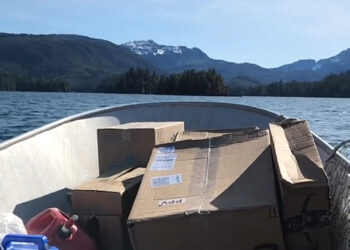
Morgan has explained how the family regularly uses online ordering to support both their homestead and their growing household. Tools, gardening supplies, household goods, and other essentials that are difficult—or sometimes impossible—to find locally are often ordered through Amazon and similar services.
Those deliveries still have to make the journey to Port Protection by floatplane or boat, becoming part of the unique logistics that define life in a community accessible almost entirely by water or air.
It’s a good example of how modern technology and traditional self-reliance now work side by side.
While the local trading post provides basics such as groceries, hardware, and fuel, many families supplement those essentials with shipments from outside the community. Morgan’s willingness to talk openly about these practical realities offers a fuller and more accurate picture of how everyday life actually works in Port Protection today.
A Partnership Built on Teamwork
One thing that consistently stands out in videos featuring Morgan and Carl is the way they work together.
Whether Carl is framing the greenhouse, Morgan is tending the garden, or both are tackling the endless list of seasonal chores, they approach life as partners with shared goals.
Their focus isn’t simply on maintaining a homestead. It’s about creating a stable, self-reliant home where their children can grow up surrounded by nature while enjoying the freedom that comes with living beside the water and forest.
Recent footage continues to show the family improving their property, expanding food production, and adapting as their children grow. Throughout it all, Morgan remains refreshingly honest about both the rewarding moments and the inevitable challenges, making her updates feel genuine and relatable to anyone interested in off-grid or remote living.
Why Morgan’s Story Resonates
Morgan Turcott represents a newer chapter in the story of Port Protection—one that includes young families putting down roots and building a future in the community.
Her updates capture the quieter side of life that television often couldn’t. There’s the satisfaction of harvesting vegetables from a new garden, the constant effort required to stretch resources, and the simple joy of watching children grow up surrounded by nature.
Over time, Morgan has quietly documented the family’s journey, one project and one ordinary day at a time. Together, those moments paint a picture that goes beyond the dramatic survival scenes of television, revealing the steady work, close family bonds, and constant adaptations that define everyday life in this corner of Southeast Alaska.
As of mid-2026, Morgan, Carl, and their two children continue to call Port Protection home, focusing on family life and ongoing homestead improvements. Their story adds warmth and practicality to the broader narrative of the community, reminding us that life off the grid isn’t only about rugged survival. It also includes raising children, planting gardens, building greenhouses, and creating a home where the next generation can thrive.
Morgan Turcott’s experience in Port Protection reflects both the challenges and the quiet rewards of choosing this way of life. It’s a life shaped by the tides, the seasons, and a determination to build something meaningful for the next generation in one of Alaska’s most distinctive communities.