Thinking about living in Port Protection, Alaska? Here’s what to know about housing, jobs, costs, property, and what everyday life is really like in this remote community.
Port Protection, Alaska, has long captured the imagination of people looking for a different way of life. The National Geographic series that followed the community introduced viewers around the world to a tiny settlement on the northwest corner of Prince of Wales Island, where residents fish, hunt, build, repair, and rely on one another to thrive in one of America’s most remote corners.
For many viewers, the show sparked the same question: Could I actually live like that?
The appeal is easy to understand. In a world defined by traffic, deadlines, and constant connectivity, Port Protection offers something increasingly rare—a slower pace, remarkable natural beauty, and the opportunity to live with a greater sense of independence. But while the television series showcased many authentic aspects of life there, it could only tell part of the story.
The reality is more complex. Living in Port Protection requires careful planning, practical skills, financial preparation, and a willingness to embrace challenges alongside the rewards. Drawing on current property listings, economic data, resident accounts, and local business information, here’s what you should know before considering a move.
Understanding the Place: Location, Access, and Everyday Life
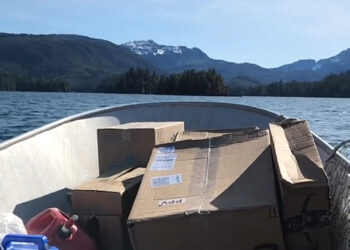
Port Protection sits in Wooden Wheel Cove on the northwestern end of Prince of Wales Island in Southeast Alaska. Its remoteness is very real. There are no year-round roads connecting the community directly to larger towns, so residents depend primarily on boats and floatplanes for both travel and supplies.
The community lies within the Tongass National Forest, the largest national forest in the United States, which covers most of Southeast Alaska and surrounds the Inside Passage.
During the summer months, a seasonal logging road can provide a rough overland connection toward Craig, approximately 100 miles away—a drive that typically takes four to five hours when conditions allow. Ketchikan, about 100 miles away by air or water, serves as the community’s primary regional hub. Petersburg and Wrangell are also accessible by boat or plane, although every trip depends on weather, tides, and transportation schedules.
This geography influences nearly every aspect of daily life.
Although the 2020 U.S. Census recorded just 36 residents, more recent estimates often place the year-round population in the low-to-mid 20s. Despite its size, Port Protection has a few services that make remote living more manageable. Public water is available in parts of the community—a notable advantage for an off-grid settlement—and the local trading post, commonly known as Jack’s Place or the Wooden Wheel Cove Trading Post, serves as the heart of the community.
The trading post supplies groceries, fuel, hardware, laundry facilities, liquor, and other everyday necessities, while also functioning as an important gathering place where neighbors catch up and exchange news.
Even with these conveniences, living here requires a different mindset. Weather can delay boats and aircraft for days at a time. Medical appointments often involve significant travel. Internet is available through satellite connections, but speeds can vary considerably depending on conditions. None of these realities make life impossible—they simply require patience, flexibility, and planning.
How Residents Actually Make a Living
Very few people in Port Protection rely on a single source of income. Instead, most households combine several different revenue streams while supplementing their lifestyle through subsistence harvesting.
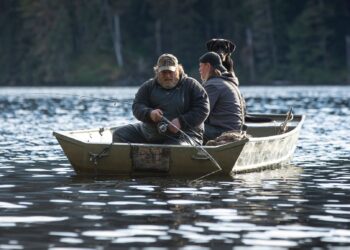
Commercial fishing continues to serve as the foundation of the local economy. Many residents hold permits for salmon through gillnetting or trolling, while others fish for halibut, crab, or shrimp. Fishing seasons can be productive and financially rewarding, but income fluctuates from year to year depending on fish runs, regulations, weather, and market prices. During weaker seasons, many fishermen rely on additional sources of income.
Tourism provides another important piece of the puzzle. Local operators offer guided and self-guided fishing charters, often including lodging, meals featuring freshly caught seafood, and fish processing services. Port Protection’s reputation for exceptional salmon, halibut, and rockfish continues to attract visitors willing to travel well off the beaten path. Waterfront cabins and established accommodations can provide seasonal income for residents who choose to operate hospitality businesses.
Subsistence harvesting also plays a significant role—not as direct income, but as a practical way to reduce living expenses. Fishing, hunting, gathering berries, harvesting kelp, and maintaining gardens all help lower grocery costs, which are considerably higher than in road-connected communities due to transportation expenses.
More recently, families have invested in greenhouses to extend the growing season and produce vegetables locally. Carl Hernandez and Morgan Turcott’s greenhouse project is one example of how residents continue adapting traditional self-reliance with practical modern improvements.
Other income sources include boat repairs, carpentry, maintenance work, handcrafted goods, seasonal employment, and government programs available to eligible rural Alaskans.
According to available data, the median household income in Port Protection is approximately $42,762, below both Alaska and national averages. However, that figure only tells part of the story. Many residents own their homes outright, generate much of their own food, and live with relatively low monthly expenses beyond fuel, equipment maintenance, and transportation. Even so, the high cost of imported goods, generator fuel, replacement parts, and home repairs means financial planning remains essential.
Housing and Property: What Can You Actually Buy?
Real estate in Port Protection is limited, and properties rarely come onto the market. When they do, they typically reflect the practical nature of the community rather than luxury living.
One of the most notable listings currently available is the Wooden Wheel Cove Trading Post (Jack’s Place), the community’s commercial centerpiece. As of June 2026, the 4.45-acre oceanfront property, including tidelands, is listed for $850,000, reduced from its previous asking price of $975,000.
The property includes:
- A main lodge building with expansive decks totaling approximately 5,100 square feet
- An operational fuel dock
- A grocery and liquor store with an active liquor license
- Rental rooms
- Laundry and shower facilities
- Restaurant space
- Three additional two-bedroom, one-bath cabins
- Storage buildings and supporting infrastructure
The sale also includes furniture, a store vehicle, and inventory at cost, while adjacent lots may be available separately. For someone looking to combine business ownership with life in Port Protection, it represents one of the community’s few turnkey commercial opportunities.
Private homes and residential parcels appear even less frequently. Depending on acreage, waterfront location, improvements, and infrastructure, prices generally range through the mid- to upper-hundreds of thousands of dollars.
Most homes rely on off-grid systems, including septic tanks, generators or solar power, wood heat, and rainwater collection or community water where available. Having access to public water remains a valuable feature and can significantly increase a property’s appeal.
Anyone considering a purchase should perform thorough due diligence. Remote properties may involve unique access agreements, easements, environmental considerations, and title issues. Working with a real estate professional familiar with Southeast Alaska is strongly recommended. Some listings also mention owner financing or 1031 exchange opportunities for qualified buyers.
The Skills—and Mindset—You’ll Need
The residents featured on television weren’t simply colorful personalities—they possessed practical skills that remain essential for everyday life.
Successful residents often know how to operate and repair boats, process fish and game, build and maintain structures, harvest firewood, preserve food through smoking or canning, repair engines, and read changing weather conditions.
Preparation is especially important before winter arrives. Firewood must be cut and stacked, boats secured, generators maintained, roofs inspected, and food stored for the months ahead.
Just as important as practical ability is the right mindset.
Long, dark winters, unpredictable weather, and a very small social circle can test even experienced Alaskans. Families need to think carefully about children’s education, recreation, and medical care, while older residents often develop contingency plans for health emergencies that require travel.
Those who thrive in Port Protection tend to enjoy solving practical problems, working with their hands, and finding satisfaction in a lifestyle where daily effort produces visible results.
Families like Carl Hernandez and Morgan Turcott demonstrate that raising children in Port Protection is entirely possible, but it requires teamwork, creativity, and a willingness to adapt as circumstances change.
What You Gain—and What You Give Up
Moving to Port Protection inevitably involves trade-offs.
On one hand, residents enjoy extraordinary natural surroundings, world-class fishing, remarkably low crime, and a genuine sense of independence. Days are shaped by tides, weather, and seasons rather than traffic or office schedules. Neighbors know one another well, regularly lend a hand with major projects, and share resources when needed.
On the other hand, groceries, fuel, and replacement parts cost significantly more than in larger communities. Employment opportunities are limited, medical services require travel, and maintaining boats, homes, generators, and equipment demands both time and money.
The television series highlighted dramatic storms, difficult hunts, and memorable personalities, but everyday life includes just as much routine maintenance, planning, gardening, preserving food, repairing equipment, and helping neighbors. Understanding those quieter rhythms is just as important as appreciating the adventure.
Before You Make the Move
Port Protection offers something increasingly difficult to find—a chance to live more deliberately, surrounded by extraordinary wilderness and supported by a close-knit community.
Properties like the Wooden Wheel Cove Trading Post occasionally present unique opportunities for those prepared to invest not only financially but personally in the community’s future. Even so, most longtime residents would likely offer the same advice: visit first.
Spending time in Port Protection, whether through a fishing charter, local lodging, or an extended stay, provides a far better understanding of the lifestyle than television ever could. Talking directly with residents, experiencing the weather, and seeing the pace of daily life firsthand will help determine whether it’s the right fit.
Those who ultimately choose to stay often say the rewards—freedom, self-reliance, natural beauty, and strong community ties—more than compensate for the inconvenience and hard work. For others, the isolation and practical demands prove too great.
Port Protection isn’t an escape from reality. It’s simply a different reality, where life revolves around tides instead of traffic, seasons instead of schedules, and neighbors instead of numbers. For the right person or family, that can be exactly what they’re looking for—but it’s a decision best made with clear expectations and careful preparation.