From commercial fishing and charter businesses to tourism and reality TV, here’s how the residents of Port Protection, Alaska, earn a living in one of America’s most remote communities
Life in Port Protection, Alaska, has never been measured by a traditional nine-to-five schedule.
Hidden away in Wooden Wheel Cove on the remote northwestern tip of Prince of Wales Island, this tiny community follows a rhythm set by the tides, fishing seasons, weather, and the natural world. With a population of just 36 people according to the 2020 U.S. Census—and more recent estimates suggesting the year-round population may now be closer to the mid-20s—Port Protection is one of the smallest and most isolated communities in the United States.
To many viewers, National Geographic’s Port Protection made it seem as though residents survived almost entirely by hunting, fishing, and living off the land. While those activities are certainly central to life here, they tell only part of the story.
In reality, making a living in Port Protection requires flexibility, multiple sources of income, careful planning, and a willingness to adapt as opportunities change from one season to the next.
Geographic Isolation Shapes the Economy
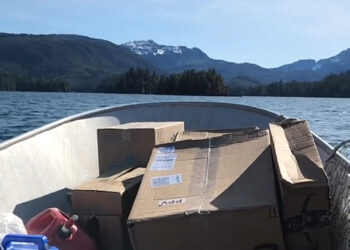
Port Protection’s location dictates much of its economic reality. It lies approximately 100 miles (by air or water) from Ketchikan and about 99–100 road miles from Craig (a roughly 4.5-hour drive via seasonal logging roads in summer, when accessible). Petersburg and Wrangell are also reachable by boat or plane, but trips require planning around tides and weather. Float planes provide the most reliable link, with limited scheduled service.
This isolation means high costs for imported goods and limited traditional employment. There are no major industries, large employers, or big-box stores. The single trading post handles groceries, hardware, fuel, and laundry, but residents supplement heavily with what they can harvest themselves.
Primary Ways Residents Make Money
Commercial Fishing
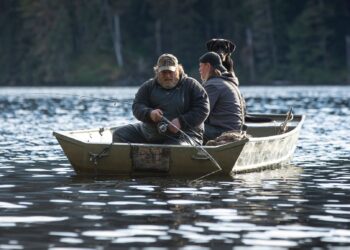
Commercial fishing remains the backbone of Port Protection’s economy. Many residents hold commercial permits for salmon—either gillnetting or trolling—as well as halibut, crab, and shrimp. Fishing seasons are demanding, with long days on the water, but they can be highly rewarding when fish runs are strong and market prices are favorable.
Like any natural industry, however, earnings can fluctuate dramatically from one year to the next. Income depends on everything from fish populations and weather conditions to quotas and seafood prices. Community accounts note that some fishermen have left Port Protection over the years after finding that declining returns no longer covered the cost of living. Alongside commercial harvests, subsistence fishing and personal-use harvesting remain essential, helping families keep their freezers stocked and ensuring food security throughout the year.
Sport Fishing Charters and Tourism
Tourism provides another important source of seasonal income. Local charter operators offer guided and self-guided fishing trips, often combining the experience with lodging, home-cooked meals, and fish processing services. Visitors come from around the world to fish for salmon, halibut, and rockfish in the pristine waters surrounding Prince of Wales Island.
The experience extends well beyond a day on the water. Guests typically stay in waterfront cabins connected by boardwalks, enjoy fresh local seafood, and immerse themselves in the slower pace of life that makes Port Protection so unique. Former cast member Hans Porter built much of his business around this model, operating a wilderness lodge that welcomed anglers seeking both world-class fishing and an authentic off-grid Alaska experience. For many residents, the summer tourism season provides a valuable cash injection that complements income from commercial fishing.
Other Local Work
Not everyone earns a living on the water. Residents often piece together income through a variety of smaller jobs and practical trades. Boat repair, equipment maintenance, guiding, carpentry, construction, and handyman work are all common ways to earn extra money throughout the year.
Some residents also sell artwork and handcrafted items, including carvings and paintings inspired by life in Southeast Alaska. Because the community is so small, people frequently trade labor, skills, or goods instead of relying solely on cash. When opportunities arise, a handful of residents also take on roles connected to the local school or other public services. Like many aspects of life in Port Protection, earning a living often means wearing several different hats rather than relying on a single occupation.
Subsistence as an Economic Strategy
While harvesting food doesn’t generate a paycheck, it plays a critical role in the local economy. Every salmon caught, every deer harvested, and every crab pulled from the water is food that doesn’t have to be purchased and shipped into one of Alaska’s most expensive places to live.
With grocery prices inflated by transportation costs, self-provisioning becomes both a survival strategy and a financial one. Fishing, hunting, foraging, gardening, and preserving food allow residents to dramatically reduce household expenses while maintaining a level of independence that simply wouldn’t be possible otherwise. In Port Protection, subsistence isn’t just a way of life—it’s one of the community’s most important economic foundations.
Median Income and the Cost of Living
According to available data, the median household income in Port Protection is around $42,762, well below the U.S. national average. On paper, unemployment rates can also appear relatively high, largely because much of the local economy is seasonal. Commercial fishing, tourism, and other forms of work ebb and flow throughout the year rather than providing steady, year-round employment.
Statistics, however, don’t tell the whole story.
Many residents who might appear to be living at or near the poverty line have developed a lifestyle that works because they rely heavily on subsistence living and keep their overhead low. Some longtime residents own their homes outright and don’t carry a mortgage, while monthly expenses are often limited to essentials such as fuel, generators, maintenance, and supplies.
That doesn’t mean life is inexpensive. Quite the opposite.
Everyday costs are significantly higher than in larger Alaskan communities. Fuel, replacement parts, building materials, and store-bought groceries all have to be transported into this remote community, making them considerably more expensive than they would be elsewhere. As a result, self-sufficiency isn’t simply a lifestyle choice—it’s an economic necessity. Diversifying income while reducing expenses wherever possible is how many residents make life in Port Protection sustainable.
How the Port Protection Cast Earned—and Continues to Earn—Money
Appearing on Port Protection created an additional source of income for the residents featured on the series, although exactly how much they earned has never been officially confirmed.
Various online reports have suggested that cast members were paid around $4,500 per episode, but those figures come from unverified sources and have never been confirmed by National Geographic or the participants themselves. No public contracts or detailed payment records have ever surfaced, and, as with many reality television productions, compensation often extends beyond a simple per-episode fee to include per diems, production support, travel expenses, and, in some cases, residual arrangements.
Several cast members have also suggested that one of the biggest benefits of appearing on the show wasn’t necessarily the paycheck, but the exposure it brought to their businesses. Increased visibility helped generate interest in local charter operations, wilderness lodges, and other ventures that relied on visitors discovering Port Protection through television.
For most participants, the series appears to have supplemented their primary sources of income rather than replaced them. Commercial fishing, charter businesses, and other local work remained the foundation of their livelihoods. Since the show’s cancellation, some residents have continued earning through increased tourism, visitor interest, and appearances in independent productions, which continue documenting life in the community.
Rumors vs. Reality
Online speculation has occasionally portrayed some cast members as becoming wealthy through the series, but the available evidence tells a very different story.
Those rumors stand in sharp contrast to the community’s modest median household income and the self-reliant lifestyle viewers have always seen on screen. While television undoubtedly provided an additional financial boost for some residents, the economic reality for most people—whether they appeared on the show or not—remains closely tied to the sea, the surrounding forests, and the seasonal opportunities available throughout the year.
No verified sources indicate that appearing on Port Protection resulted in life-changing wealth. For most residents, the appeal of living there has never been about building a large bank account, but about enjoying a level of independence and freedom that few other places can offer.
Also read:
Challenges and Constant Adaptation
Making a living in Port Protection means constantly balancing cash income with the changing seasons.
Summer is typically the busiest and most productive time of year, bringing commercial fishing opportunities, visiting anglers, tourists, and a long list of projects that need to be completed before winter arrives. Once the colder months set in, the focus shifts toward preserving food, maintaining equipment, repairing homes, and stretching available resources as far as possible.
Rather than relying on a single occupation, many residents combine several different income sources. Commercial fishing may be paired with charter work, construction or handyman jobs, small businesses, guiding, or government programs such as Alaska Permanent Fund Dividend payments and rural assistance programs.
Recent videos shared by residents illustrate how that adaptability continues today. Some families have built greenhouses to reduce grocery costs, while others maintain boats capable of serving multiple purposes throughout the year. Others continue finding ways to share the area’s remarkable scenery and fishing opportunities with visitors, creating modest but meaningful tourism income alongside their traditional livelihoods.
Also read:
- Thinking About Living in Port Protection, Alaska? What You Need to Know Before Making the Move
- Can Anyone Move to Port Protection, Alaska?
A Unique Economic Model
Port Protection operates on a hybrid economy that blends commercial enterprise, subsistence living, and small-scale entrepreneurship.
It isn’t a place where people come to get rich quickly. Success is measured less by income than by versatility, resilience, and the ability to adapt to whatever nature brings next. Residents who thrive are usually those willing to wear many hats, solve problems independently, and work alongside neighbors when challenges arise.
The television personalities who introduced millions of viewers to Port Protection earn their living much the same way as everyone else in the community. Their livelihoods still depend on the water, the surrounding forests, practical skills, and a strong work ethic in a place where nature—not the clock—sets the schedule.
For anyone inspired by the series, that’s perhaps the biggest takeaway.
Living—and earning a living—in Port Protection rewards preparation, adaptability, and resourcefulness far more than dramatic television moments ever could. The distance separating the community from larger hubs like Ketchikan or Craig isn’t measured only in miles. It’s reflected in an entirely different way of life, where self-sufficiency, resilience, and community remain the most valuable forms of wealth.