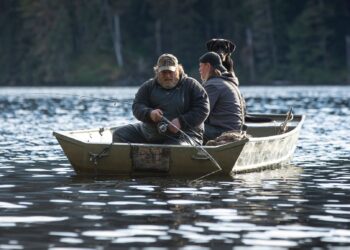
How accurate was Port Protection? Here’s what life is really like in the remote Alaska community, from subsistence living and isolation to what reality TV changed for the cameras.
Hidden away in Wooden Wheel Cove on the northwestern corner of Prince of Wales Island, Port Protection, Alaska, is one of those places that seems almost untouched by the modern world. There are no roads connecting it to the rest of Alaska. Residents arrive and leave by boat or seaplane, weather permitting, and daily life revolves around the tides, the seasons, and whatever nature provides.
According to the 2020 Decennial Census, just 36 people called Port Protection home, down from 48 a decade earlier. More recent local estimates suggest the year-round population may now be closer to the mid-20s, a reflection of how difficult it is to sustain life in one of America’s most isolated communities.
For nearly a decade, millions of viewers around the world came to know Port Protection through National Geographic’s Life Below Zero: Port Protection, later retitled simply Port Protection, Alaska. The series introduced audiences to a small group of residents who fished, hunted, trapped, foraged, built homes, repaired boats, and prepared for the long, unforgiving Southeast Alaska winters.
The scenery was spectacular, the personalities unforgettable, and the challenges undeniably real. But like every reality television series, Port Protection was still a television production. That naturally raises an important question: how accurately did it portray life in this remarkable community?
The answer lies somewhere between documentary and storytelling. The people were real, the hardships were genuine, but the demands of television inevitably shaped how those stories were told.
Also read:
The Real Port Protection Is Built on Isolation and Self-Reliance
Life in Port Protection has never been easy.
The community’s population generally fluctuates between 30 and 40 full-time residents depending on the season, although that number has steadily declined in recent years.
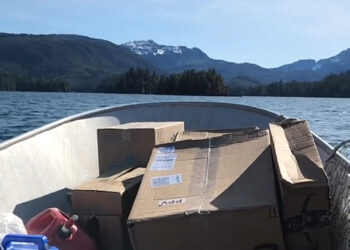
Without road access, nearly everything must arrive by floatplane or boat. Scheduled deliveries typically come by floatplane on Tuesdays and Saturdays, assuming the weather cooperates. There is a small trading post where residents can pick up basic necessities, but it is far from a full-service grocery store.
Instead, much of daily life still revolves around subsistence living.
Residents harvest salmon, halibut, shrimp, crab, and deer while also gathering kelp and other wild foods from the surrounding landscape. During the summer months, nearly every day is spent preparing for winter—repairing homes, gathering firewood, maintaining boats, preserving food, and stocking supplies before storms begin limiting travel.
Former cast member Hans Porter, who operated a wilderness lodge in the area, has offered viewers an even closer look through his own videos filmed after the television series.
Hans describes Port Protection as a community of roughly 30 year-round residents where even seemingly simple errands require significant planning. A trip to nearby Craig, for example, can take around four hours using seasonal logging roads during parts of the year, while much of the time residents depend entirely on the water for transportation.
His footage captures the everyday moments that television often had little time for—whales surfacing offshore, eagles circling overhead, freshly caught fish becoming dinner, and the quiet beauty that residents experience simply by stepping outside their front doors.
Everyday Life Is Often Much Quieter Than Television Suggests
Additional glimpses into life beyond the television series have emerged through independent creators who have spent time in Port Protection.
One memorable video by chef and traveler Ellard showcases many of the experiences viewers rarely saw on television. Instead of dramatic emergencies, the focus shifts to scenic boat rides beneath soaring bald eagles, homemade kelp pickles, moose burritos, freshly cooked Dungeness crab, and the steady rhythm of life along the waterfront.
Viewers also see Mike “Jiggy” Nichols and Gail preparing salmon aboard the Longshot, sharing food and conversation rather than navigating another crisis.
The video even highlights one of the community’s ingenious off-grid creations—a wood-fired hot tub that uses heated rocks for thermal mass, demonstrating the kind of practical creativity that has long defined life in Port Protection.
These quieter moments paint a fuller picture of daily life. There is certainly hard work, but there is also friendship, shared meals, and an appreciation for the landscape that doesn’t always fit neatly into a 40-minute television episode.
Residents have also offered their own perspectives through social media.
Morgan Turcott, along with others living in the community, has spoken openly about the realities of expensive groceries, relying on generators for electricity, building greenhouses to supplement food supplies, and adapting life around fishing seasons.
Projects like Carl and Morgan’s greenhouse are driven by necessity rather than hobby, helping reduce dependence on costly supplies that must be shipped into the community.
For most residents, the rhythm of daily life is shaped less by dramatic confrontations and more by boat maintenance, gathering firewood, repairing equipment, preserving food, and preparing for whatever the next season brings.
What the Television Series Got Right
For all the editing that comes with reality television, Port Protection captured many of the community’s defining truths remarkably well.
The isolation is real.
The weather can be unforgiving.
Mechanical failures can become serious emergencies.
Food preservation isn’t a lifestyle trend—it’s essential for getting through the winter.
The personalities audiences came to know were equally authentic.
Gary Muehlberger’s fierce independence, Sam Carlson’s remarkable engineering skills, Curly’s unmistakable sense of humor, and Mary Miller’s determination all reflected who they genuinely were rather than characters created for television.
Former producer Mickey Ramos has explained that many storylines actually originated with the residents themselves. Cast members would pitch the projects they were already planning—cutting down dangerous trees, repairing buildings, processing game, preparing for winter—and producers would build episodes around those real activities.
In other words, the events themselves weren’t invented. The storytelling simply gave them a beginning, middle, and end.
Crew members who later shared their experiences through Alaska Explored echoed that perspective.
They described spending weeks at a time embedded in the community, filming in 70-knot winds, relentless horizontal rain, and difficult conditions that mirrored exactly what residents endured. Earning the community’s trust wasn’t immediate, but over time they became accepted enough to capture genuine relationships and everyday routines.
Where Reality Television Changed the Story
Even the most authentic reality series still has to function as television. That means creating structure, pacing, and emotional momentum.
Months of footage are condensed into individual episodes, with editors selecting the most dramatic moments to create compelling storylines. Storms, equipment breakdowns, difficult hunts, and looming deadlines naturally receive more attention than routine maintenance or a quiet afternoon spent chatting with neighbors.
Producer Mickey Ramos has spoken openly about this process.
A straightforward task such as Gary Muehlberger cutting down a tree could be shaped into a larger story about overcoming fear or tackling a dangerous challenge, even though it remained rooted in something Gary had genuinely planned to do.
Certain aspects of everyday life never made it to television at all.
Ramos has noted that casual marijuana use among some residents was omitted because of broadcast standards. Likewise, the series focused primarily on its central cast, leaving many quieter community members and seasonal residents almost entirely out of the spotlight.
The pace of life also tended to be simplified.
Bush plane flights looked breathtaking on screen—and they certainly are—but they also come with frequent weather delays, high transportation costs, and constant uncertainty that television could only briefly touch upon.
Likewise, the show sometimes heightened conflict or urgency simply to maintain momentum, while the reality is that much of life in Port Protection consists of steady, repetitive work carried out without fanfare.
Perhaps most importantly, the television series only hinted at the extraordinary level of cooperation within the community.
Neighbors regularly help one another repair roofs, gather firewood, maintain boats, share equipment, and check in during severe weather. That deep sense of mutual dependence is one of the community’s defining characteristics, yet it often took a back seat to more dramatic individual storylines.
Life Continued After the Cameras Left
When National Geographic canceled Port Protection in 2023 as part of broader programming changes within Disney, life in the community continued much as it always had.
The biggest difference was that the cameras belonged to the residents themselves.
Former producer Mickey Ramos launched the Alaska-Vibes YouTube channel, continuing to document life in Port Protection through longer interviews, everyday projects, and unfiltered conversations that feel considerably less produced than the television series.
Without the constraints of network television, viewers now see longer discussions, slower pacing, fourth-wall moments, and stories chosen largely by the residents themselves.
Many longtime favorites continue to appear regularly, including Sam Carlson, Curly, Carl and Morgan, Oliver Johnson, Veronica Arrants, and other familiar faces who remain committed to life in the community.
While younger generations often leave in search of careers and opportunities elsewhere, those who stay continue balancing traditional subsistence living with modern realities such as internet access, generators, occasional travel, and the practical challenges of maintaining remote homes.
Why Understanding the Difference Matters
Port Protection succeeded because it introduced millions of viewers to a way of life that few Americans will ever experience firsthand.
It highlighted Southeast Alaska’s extraordinary landscapes while showcasing people who willingly embraced hardship in exchange for independence and freedom.
At the same time, it’s important to recognize where television ends and reality begins.
Living in Port Protection isn’t simply a matter of buying a cabin and heading into the wilderness.
Success depends on practical skills, emotional resilience, careful planning, supportive neighbors, and, in many cases, longstanding family connections. Veronica Arrants, for example, was able to establish herself in the community after inheriting property from family members following a series of tragic losses.
Medical care requires extensive planning. Groceries are expensive. Travel depends on the weather. Winters test both physical endurance and mental resilience.
These realities are every bit as significant as the dramatic moments viewers saw on television.
The Real Story Is Still Being Written
The greatest strength of Port Protection was that it never relied on fictional characters or invented hardships.
The residents were real.
The work was real.
The challenges were real.
What television did was compress time, heighten tension, and select the moments most likely to keep audiences watching.
The fuller picture emerging through resident videos and post-show updates is quieter, slower, and perhaps even more compelling. It reveals a community where people repair roofs together on sunny afternoons, share moose meat with neighbors, gather around woodstoves through long winters, celebrate holidays on the docks, and continue looking after one another when storms roll in.
Port Protection was never a stage built for reality television.
It is a living community where people have chosen a more demanding way of life in exchange for freedoms that are increasingly difficult to find elsewhere.
The cameras captured only part of that story.
The rest continues to unfold every single day, long after filming stopped.