From the nuclear dumping grounds to the shores of the Hamptons, we explore the real-life Sharkzilla filming location and the science behind the North Atlantic shark surge.
If you are a fan of high-stakes marine investigations and the mystery of the deep, you likely have one question on your mind this season: Where was Sharkzilla Takes New York filmed? As part of the massive 20-premiere lineup for Discovery’s Shark Week, starting Sunday, July 26, at 8pm ET/PT, this specific special has captured the imagination of East Coast residents and shark enthusiasts alike. The premise is chilling—mauled marine life washing up on iconic shores, leading researchers to wonder exactly what is patrolling the waters just miles from the Empire State.
Filming locations overview
The production focused on the diverse and often misunderstood maritime corridors of the North Atlantic. While the title suggests a focus on the city itself, the heart of the investigation took place in the expansive waters surrounding Long Island. This wasn’t just a scenic choice; it was a mission driven by recent biological evidence of apex predators moving closer to urban centers.
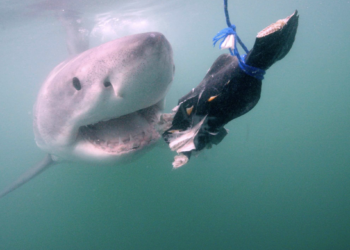
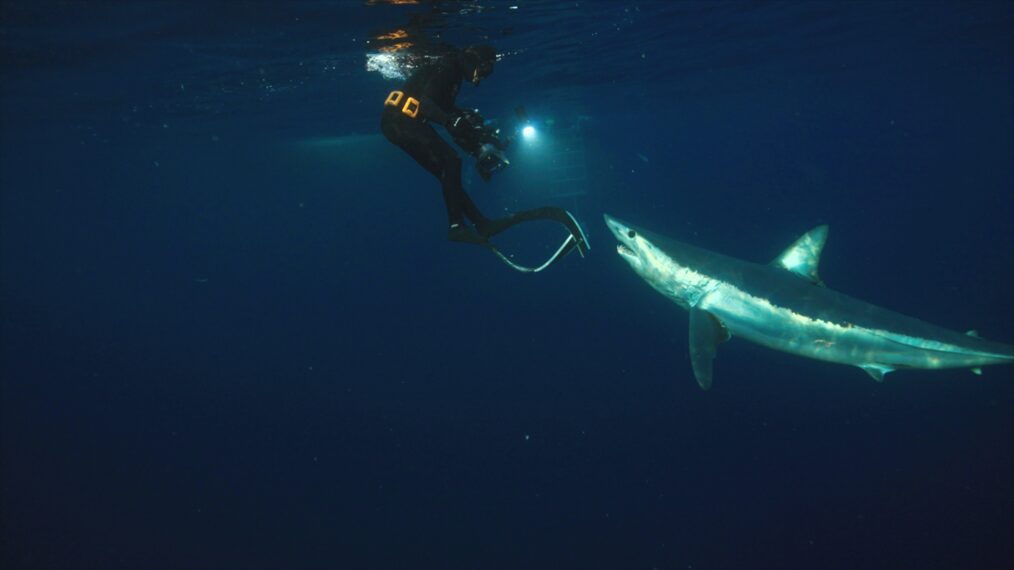
The filming spanned several key areas, most notably the high-end coastal stretches of the Hamptons. Here, the production team documented an unexpected hotspot for massive mako sharks. Beyond the glitz of the shoreline, the crew ventured further out to sea to investigate old nuclear dumping grounds. These submerged sites provided the atmospheric and scientific backdrop for the special’s most provocative theory: the possibility of radioactive influence on predator behavior.
Why New York waters were chosen
The decision to move forward with New York filming was sparked by a series of real-world events. As documented in the upcoming Shark Week specials like Great White Highway, apex predators are pushing further up the East Coast in greater numbers than ever before. New York serves as a geographical crossroads where the warming Gulf Stream meets the nutrient-rich, cooler waters of the North, creating a perfect pantry for large sharks.
Conservation biologist Dr. Craig O’Connell led the charge in these waters because the area represents a new frontier in shark migration. For years, the conversation around East coast shark filming centered on Cape Cod or the Florida Keys. However, New York’s unique combination of deep-water trenches and shallow coastal shelves has turned it into a primary corridor for both great whites and makos. This shift in migration patterns is what forced local beach closures and prompted the high-intensity investigations seen in the program.
Ocean conditions explained
Filming in the North Atlantic is vastly different from the crystal-clear tropical waters of the Bahamas. The discovery shark locations featured in Sharkzilla Takes New York are characterized by temperamental conditions. The crew had to contend with the “Atlantic chop”—shorter, steeper waves that make stabilizing underwater cameras a significant challenge.
Visibility also played a major role in the visual storytelling. Unlike the turquoise depths seen in other specials, the waters off the coast of New York and the Hamptons are often filled with plankton and sediment, giving them a dark, emerald hue. This adds to the “Sharkzilla” mystique, as predators can vanish and reappear in the gloom within seconds. Furthermore, the proximity to the continental shelf means that water temperatures can drop rapidly, affecting both the sharks’ activity levels and the endurance of the divers.
Crew setup details
To capture the “pulse-pounding action” promised by Discovery’s Head of Content, Joseph Boyle, the production utilized pioneering technology and heavy-duty marine setups. The crew operated from specialized research vessels equipped with high-tech receivers designed to track tagged great whites in real-time.
Because the investigation led them to old nuclear dumping grounds, safety was a paramount concern. The crew utilized remote-operated vehicles (ROVs) to scan the seabed before sending divers into the water. For the high-intensity mako sequences off the Hamptons, the cinematographers used high-speed cameras capable of 4K resolution to capture the lightning-fast movements of the mako, which is widely considered the fastest shark in the ocean. The setup also required massive “blood bombs” and specialized chumming techniques to lure the predators into camera range in the low-visibility environment.
Final summary
Whether it is the glowing sharks of the Marshall Islands or the “Jurassic giants” brought to life by CGI, this year’s Shark Week is raising the bar for bold storytelling. Sharkzilla Takes New York stands out as a localized thriller that hits close to home for millions of Americans. By filming in the nuclear dumping grounds and the predatory hotspots of the Hamptons, the production team has highlighted a growing reality: the ocean’s most formidable predators are no longer distant mysteries; they are our neighbors.
Make sure to tune in on Friday, July 31, at 9pm ET/PT to see the results of this groundbreaking investigation. As the Great White Highway continues to expand, understanding what lies beneath the surface of New York’s waters has never been more vital.