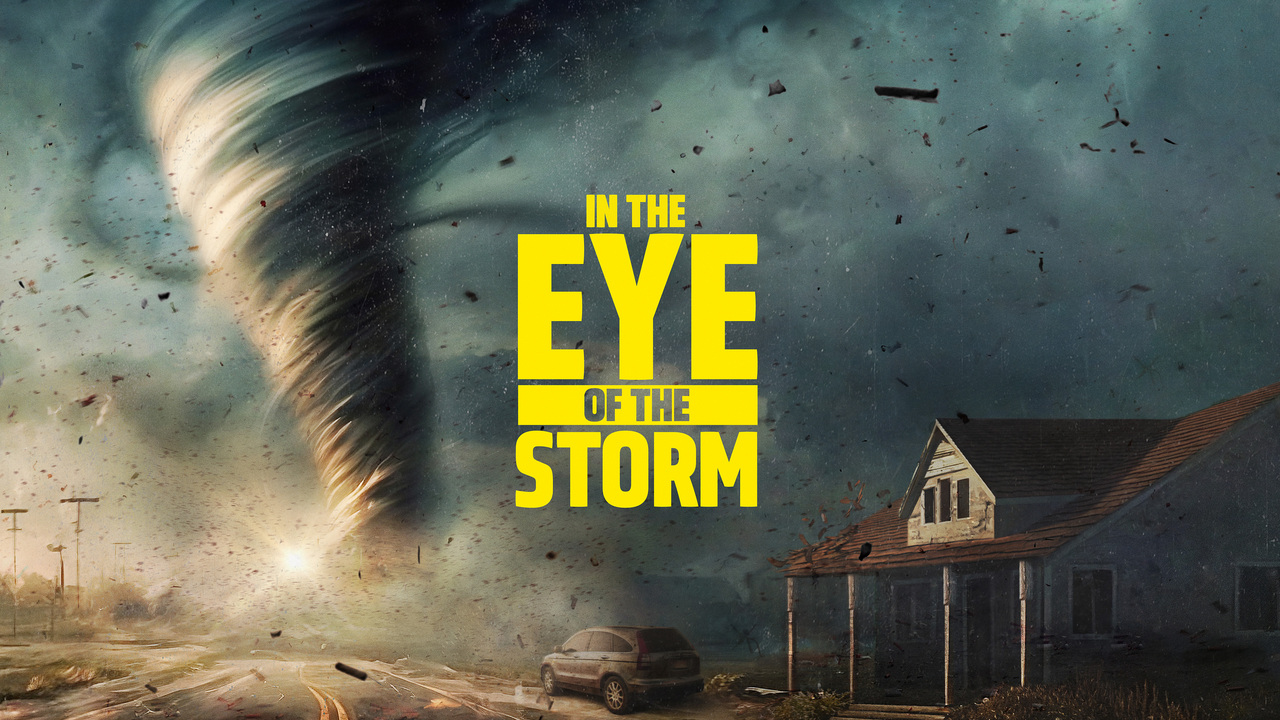
Separating fact from fiction in Discovery’s hit series by examining the real footage, actual survivors, and documented weather events that define the show.
The 2024 premiere of In the Eye of the Storm on Discovery Channel sparked an immediate and intense wave of curiosity among viewers. As audiences watched terrifying, first-person accounts of nature’s most violent moments, the digital conversation centered on a single, urgent question: Is this series real? In an era where deepfakes and high-budget CGI can mimic reality with unsettling precision, the skepticism is understandable. However, the raw, shaky, and often breathless nature of the footage suggests something far more authentic than a Hollywood set.
To understand the impact of the show, one must look at the shift in disaster documentary filmmaking. Gone are the days of distant long-lens shots from safe observation decks. Today, almost every person carries a high-definition camera in their pocket. This technological shift has allowed Discovery to curate a collection of moments that were previously impossible to capture.
Is In the Eye of the Storm based on a true story?
When viewers ask if the In the Eye of the Storm Discovery true story is authentic, the answer is a definitive yes. The series is not a fictionalized drama or a “mockumentary.” It is a curated forensic look at actual meteorological events that have occurred across the United States and the globe. Each episode is anchored by a specific, verifiable weather event—ranging from the devastating EF5 tornadoes that tear through the Heartland to the catastrophic flooding caused by sudden hurricanes.
The “story” element of the show comes from the narrative arc of the people who lived through these events. The production team does not invent plot points; instead, they piece together the chronological reality of a disaster as it unfolded. By focusing on the In the Eye of the Storm Discovery true story, the network moves away from sensationalism and toward a sobering study of human survival and atmospheric power.
Are the disasters in In the Eye of the Storm real?
For those wondering are the disasters in In the Eye of the Storm real, a quick cross-reference with the National Weather Service archives provides all the confirmation needed. The show focuses on major, documented catastrophes. Whether it is the 2021 Marshall Fire in Colorado or the historic flooding in the Tennessee Valley, these are events that left permanent scars on the landscape and the communities involved.
The show excels at showing the scale of these disasters from the inside out. While news reports give us the “what” and the “where” through satellite maps and death tolls, this series provides the “how it felt.” The disasters are not just real in a statistical sense; they are real in the sense that the terror on screen was felt by the people holding the cameras.
Does Discovery use real footage?
The most compelling aspect of the production is the visual medium itself. So, does Discovery use real footage? The answer is that the entire premise of the show relies on it. The series is built almost exclusively on “user-generated content” (UGC). This includes cellphone videos, dashboard cameras, home security systems, and even professional storm chaser gear.
Unlike traditional documentaries that might rely on B-roll or stock clips of generic lightning, this show uses the specific footage captured during the specific event being discussed. This is why the quality of the video varies so much—from crystal clear 4K to grainy, vertical phone shots taken while the user was huddled in a bathtub or a basement. This raw aesthetic is the primary proof of the show’s authenticity.
Is In the Eye of the Storm based on real footage?
If you are asking is In the Eye of the Storm based on real footage, you are tapping into the core of the show’s editorial philosophy. The producers have stated that the footage is the “witness testimony.” In many cases, this footage was never intended for a television audience. It was recorded by individuals who were documenting what they believed might be their final moments, or by people who were so stunned by what they were seeing that their instinct was to hit “record.”
Because the show is based on real footage, it avoids the polished look of a studio production. You see the raindrops on the lens, you hear the wind tearing at the microphone, and you feel the frantic movement of someone running for their life. This “eyewitness” perspective is what differentiates the Discovery storm documentary real experience from a standard weather special.
Are the survivors real people?
One of the most emotional components of the series is the interview segments. Are the survivors real people? Yes, they are the very individuals who captured the footage shown in the episode. Discovery tracks down the people behind the cameras to provide a retrospective look at the event.
These are not actors reading a script. They are homeowners, students, first responders, and parents. Their interviews serve to fill in the gaps that the camera couldn’t capture—the smells, the sounds, and the internal thoughts they had during the crisis. Hearing a survivor describe the “sound of a freight train” while watching the corresponding footage of a tornado creates a multi-dimensional understanding of the trauma involved.
Does Discovery recreate scenes?
In the world of documentary television, “dramatic recreations” are a common tool. However, viewers often ask: Does Discovery recreate scenes in this specific series? While some Discovery shows use actors to fill in historical gaps, In the Eye of the Storm leans away from traditional reenactments.
Instead of hiring actors to play out the events, the show might use high-end graphics to show the path of the storm or minor “pick-up” shots of a generic nature to bridge two pieces of footage. However, the core action—the moments of impact—are never faked. The show’s integrity rests on the fact that if they don’t have the footage of the event, they don’t show the event. They rely on the authenticity of the primary source material to carry the weight of the episode.
Where does the footage come from?
Understanding where does the footage come from helps demystify how much of In the Eye of the Storm is real. The production team scours the internet, social media, and local news archives to find the most impactful clips from a disaster. They often reach out to individuals who posted viral videos during a storm to see if there is more context or longer clips available.
The footage comes from a variety of sources:
Dashcams from police cruisers and civilian cars caught in the path of a surge.
Ring doorbells and Nest cameras that remained powered on as a storm hit.
Professional storm chasers who use specialized vehicles to get as close as possible.
Personal cellphones of survivors who were trapped in buildings or vehicles.
By aggregating these different angles of the same event, the show creates a 360-degree view of the disaster that no single camera could ever achieve.
How accurate is the documentary?
When assessing how accurate is the documentary, it is important to look at the scientific backing. Discovery frequently utilizes meteorologists and disaster experts to explain the mechanics of what the viewer is seeing. They explain the “why” behind the “what.”
For example, if a video shows a house being lifted off its foundation, an expert will chime in to explain the specific wind speeds required for that to happen and how the pressure differentials at the center of a storm affect structure. This combination of raw footage and scientific analysis makes the series one of the most accurate portrayals of extreme weather ever produced for television.
How much of In the Eye of the Storm is real?
A common question for skeptics is how much of In the Eye of the Storm is real? The answer is that the events, the footage, the survivors, and the outcomes are 100 percent factual. While the editing process is designed to build tension—using music, pacing, and cutaways—the underlying facts are never manipulated.
If a survivor says they were trapped for four hours, they were trapped for four hours. If the footage shows a bridge collapsing, that bridge actually collapsed. The series serves as a digital time capsule of some of the most intense moments in recent history. It is a testament to the fact that reality is often more terrifying and more impressive than anything a screenwriter could imagine.
The Final Verdict on the Discovery Storm Documentary Real Factor
Is In the Eye of the Storm real? The evidence points to a resounding yes. By utilizing the vast amount of digital footprints left behind after a major disaster, Discovery has created a new genre of documentary. It is a show that respects the reality of the survivors and the raw power of the planet.
For viewers, the show is more than just entertainment; it is a reminder of the fragility of our infrastructure and the unpredictability of the atmosphere. When you watch the next episode, you can be certain that the terror, the bravery, and the storms themselves are as real as it gets. In a world of filtered reality, In the Eye of the Storm offers a rare, unfiltered look at the truth of the natural world.
Also read: