A deep dive into Discovery’s visceral new series that uses raw survivor footage to explain the world’s most terrifying environmental catastrophes.
The Human Perspective on Nature’s Fury
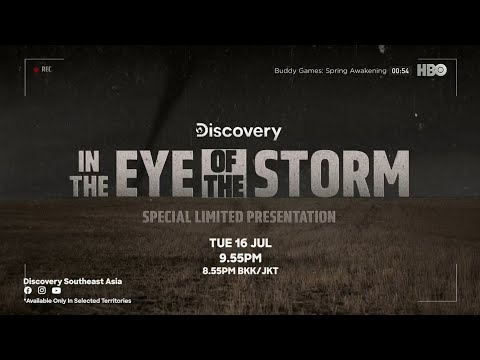
When the sky turns a bruised shade of green and the wind begins to howl with the force of a jet engine, most people seek shelter as far from the windows as possible. But for a specific group of individuals—from professional storm chasers to ordinary citizens caught in the wrong place at the right time—the instinct is to hit record. This intersection of raw terror and digital documentation is the foundation of Discovery’s latest gripping series. If you have seen the intense trailers and wondered what the buzz is about, this In the Eye of the Storm Discovery explained guide will break down why this show is currently dominating the documentary landscape.
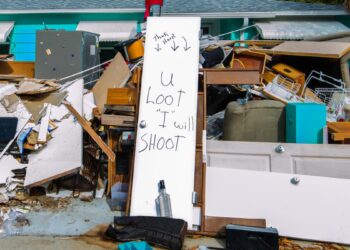
The series is not just another weather program; it is a visceral, minute by minute reconstruction of the most harrowing environmental events in recent history. By utilizing a massive archive of user generated content, the show places the audience directly inside the chaos.
What is the show exactly?
At its core, In the Eye of the Storm is a documentary series that redefines the disaster genre by focusing exclusively on the perspective of those who were present during the impact. While many programs rely on recreations or distant news footage, this show uses the very footage captured by people as the disaster unfolded around them. It is a high stakes look at survival, captured on smartphones, dashcams, and professional rigs.
The show represents a shift in how we consume news and nature documentaries. It moves away from the “expert in a lab” format and moves toward “experience in the field.” For those asking what is In the Eye of the Storm, it is best described as a survivalist anthology where the antagonist is the earth itself.
How each episode works
Each installment of the series follows a specific structure designed to build unbearable tension. An episode typically focuses on a single major event or a cluster of related disasters occurring simultaneously. The narrative is driven by a chronological timeline, often starting hours before the event when the atmosphere feels eerily calm.
As the timeline progresses, the show weaves together multiple perspectives. You might see a family in their basement, a driver trapped on a flooded highway, and a scientist monitoring satellite data. This multi perspective approach allows the audience to see the scale of the disaster from the inside out. The editing is fast paced, mirroring the frantic energy of a life or death situation, but it is anchored by a clear explanation of the meteorological factors at play.
Also read:
Discovery documentary explained: The science behind the screams
Discovery has always been a leader in educational entertainment, and this show continues that tradition. While the footage is cinematic and terrifying, there is a strong educational component. Between the clips of falling trees and rising waters, the show provides a Discovery documentary explained segment through high quality CGI and expert commentary.
These segments explain the “how” and “why” of the disaster. For instance, if a tornado is the focus, the show will illustrate the collision of warm and cold air masses that birthed the funnel. This helps the viewer understand that these are not just random acts of chaos, but the result of specific, powerful atmospheric conditions. It turns a spectacle into a learning experience.
What disasters are featured in the series?
The series covers a broad spectrum of environmental catastrophes, ensuring that no two episodes feel the same. The diversity of the events is one of the show’s greatest strengths.
- An EF-5 tornado tearing through a suburban neighborhood in the Midwest.
- The sudden and catastrophic onset of a flash flood in a mountain canyon.
- The terrifying wall of fire during a California wildfire that moves faster than a car can drive.
- The slow, grinding destruction of a Category 4 hurricane making landfall.
By highlighting the many types of disasters featured, the show reminds viewers that no region is truly immune to the power of nature. Each catastrophe presents a different set of survival challenges, from the wind speeds of a twister to the suffocating heat of a forest fire.
What is each episode about?
While the overarching theme is weather, the heart of the show is the specific story of each episode. One episode might be about the resilience of a small town in Kansas, while the next explores the technical failures that led to a city flooding during a tropical storm.
In the Eye of the Storm Discovery explained means understanding that the show is episodic in nature. You do not necessarily need to watch them in order, as each is a self contained story of a specific date in history. The focus is always on the timeline: the warning, the impact, and the immediate aftermath.
Why Discovery made it now
The decision to produce this series comes at a time when climate volatility is a constant headline. Discovery recognized that we are living in the age of the “citizen journalist.” Almost every major weather event in the last decade has been recorded from hundreds of angles by the people living through it.
The series taps into this unprecedented archive of real human experiences. They saw an opportunity to move past the polished look of traditional documentaries and embrace the raw, shaky, and authentic footage that people actually record when their lives are on the line. It is a reflection of our modern world, where the camera is the first thing we reach for, even in a crisis.
How the storytelling differs from traditional media
If you read an In the Eye of the Storm review, you will likely see praise for its unique narrative voice. Unlike the Weather Channel or local news, which focuses on broad statistics and evacuation routes, this show focuses on the psychological journey of the survivor.
The storytelling differs because it is intensely personal. The “narrators” are often the people in the videos themselves, providing retrospective commentary on what they were thinking at the moment the roof lifted off or the water breached the door. This creates an emotional bond between the viewer and the subject that is rarely found in standard documentaries. It isn’t just about the storm; it is about the person in the storm.
Who appears in the show?
The “cast” of the series is a mix of everyday people and experts. You will see:
- Local residents who captured viral footage of the events.
- Professional storm chasers who risk their lives to gather data for research.
- Meteorologists and climatologists who provide the scientific context.
- Emergency responders who describe the rescue efforts during the height of the chaos.
This blend of voices ensures that the show is both emotionally grounded and scientifically accurate. The experts provide the “Eye” (the observation), while the residents provide the “Storm” (the experience).
Why viewers enjoy it: The thrill of the near miss
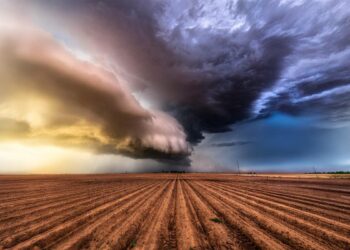
There is a psychological reason the series resonates with so many viewers. It taps into our natural fascination with “the sublime”—something that is simultaneously beautiful and terrifying. Watching a massive supercell rotate over a field is visually stunning, but knowing the destruction it brings creates a visceral thrill.
Furthermore, the show offers a form of “preparedness by proxy.” By watching how others reacted to a disaster, viewers often find themselves wondering, “What would I do?” It is a masterclass in human instinct, showing both the panic and the incredible bravery that emerges when the environment turns hostile.
The Final Verdict
Ultimately, In the Eye of the Storm is a testament to human resilience. It takes the most terrifying moments of people’s lives and turns them into a narrative of survival and scientific wonder. Whether you are a weather geek or just someone who loves a high stakes survival story, this series offers a perspective on the natural world that you simply cannot find anywhere else. It is raw, it is real, and it is a powerful reminder that we are all, at some point, at the mercy of the elements.
Also read: