Explore the mechanics of the Bering Sea crab fleet, from the high-stakes quota system to the cutting-edge drone technology defining Season 22.
When the sirens wail and the heavy steel pots begin to swing over the rails of massive Alaskan crab boats, millions of viewers tune in to witness what has become a cultural phenomenon. For those just discovering the series or looking for a refresher on the mechanics of the high-seas drama, this complete Deadliest Catch guide provides the perfect introduction to one of the most grueling occupations on the planet.
This genre-defining Discovery Channel series has spent more than two decades documenting the lives of crab fishermen in the Aleutian Islands and beyond. Its longevity stems from more than giant waves and dramatic rescues. It is a compelling study of human endurance, family legacies, strategic risk-taking, and the brutal economic realities of the Bering Sea. Whether you are a newcomer wondering how Deadliest Catch works or a longtime fan tracking the fleet’s latest moves, this guide breaks down the operations, technology, and human elements that make the show so captivating.
What Is Deadliest Catch?
At its core, Deadliest Catch is a documentary-style reality television series that follows multiple crabbing boats through the king crab and opilio (snow) crab seasons in the Bering Sea. Since premiering on the Discovery Channel, it has earned over 60 Emmy nominations by delivering a raw, unfiltered look at commercial fishing.
The series focuses on captains and crews, capturing intense physical labor, high-stakes financial decisions, personal struggles, health challenges, and interpersonal conflicts that emerge when small groups are confined for weeks in steel hulls amid extreme conditions. In Season 22, which premiered on May 8, 2026, the narrative centers on the fleet’s ambitious relocation roughly 225 miles north to remote St. George Island waters to chase a rare, high-value strain of northern red king crab. This shift amplifies every operational and personal challenge the fishermen face.
How Crab Fishing in Alaska Works
Understanding how Deadliest Catch works begins with the regulated quota system managed by the Alaska Department of Fish and Game and federal partners. To promote sustainability, each boat or quota holder receives a specific Individual Fishing Quota (IFQ)—a set weight of crab they may legally harvest for the season. Exceeding it risks severe penalties; falling short means lost revenue.
The process starts with “setting” the pots. These massive steel cages, often weighing 700–800+ pounds empty, are baited with chopped herring, cod, or other attractants. Crews deploy strings of pots using hydraulic launchers, allowing them to sink to precise depths on the seafloor. After a soak period ranging from hours to days, the vessel returns to retrieve (“haul”) them via powerful winches and cranes.
On deck, the dangerous sorting begins. Only legal male crabs of minimum size are retained; females and undersized males are returned to the sea immediately. Kept crabs go into live holding tanks with constantly circulating seawater. Dead crabs lose all value, turning every trip into a race against mortality, weather, and time. Deliveries to shoreside processors in ports like Dutch Harbor determine the season’s financial success.
In Season 22, the longer transits to St. George Island add complexity: greater fuel use, extended time at sea, and heightened risk from more extreme ice and weather conditions test every boat’s efficiency.
The Quota System and Economic Realities
The shift from the old “derby” style (unlimited boats racing for a shared total quota) to the current IFQ system changed the fishery dramatically. It provides more predictable seasons but demands precise strategy. Captains must balance speed, crab quality, and operational costs. A strong season can yield life-changing earnings for owners and crew (who often work on shares), while poor performance can lead to debt or boat loss—as seen in Jake Anderson’s challenges.
Fuel, maintenance, insurance, and crew shares consume large portions of revenue. This economic pressure drives the aggressive tactics viewers see, from pushing into heavy weather to innovative scouting.
Why the Bering Sea Is So Dangerous
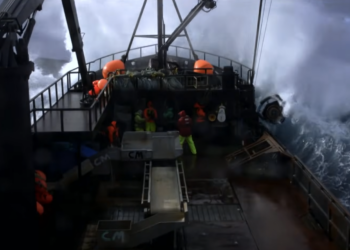
The Bering Sea earns its deadly reputation through geography and climate. Shallow waters amplify storm waves into steep, square monsters up to 40–50 feet. Arctic air colliding with Pacific moisture generates intense low-pressure systems and hurricane-force winds. Freezing spray rapidly builds ice on vessels, adding dangerous top-weight that can cause capsizing. Decks become treacherous skating rinks; crews swing sledgehammers for hours to clear ice while managing swinging pots and high-tension lines.
Hypothermia sets in within minutes for anyone overboard in near-freezing waters. Mechanical failures far from help, fatigue-induced errors, and medical emergencies compound the risks. Season 22’s northern push to St. George Island intensifies these threats with colder waters, shifting ice packs, and greater isolation.
Technology and Innovation on the Fleet
Modern Deadliest Catch seasons showcase evolving technology. Captains use advanced electronics for navigation, sonar, and weather tracking. In a standout Season 22 moment, Sig Hansen deployed an underwater drone (ROV) for covert scouting of rare king crab in northern waters, giving the Northwestern a potential edge. Such tools blend with traditional seamanship and generational knowledge.
Safety equipment has improved—better immersion suits, EPIRBs, and communication systems—yet the core dangers remain unchanged. The show captures this tension between tradition and innovation perfectly.
Key Captains and Crew Dynamics
Veterans like Sig Hansen (Northwestern) exemplify consistency, family legacy, and calculated risks. Jake Anderson’s redemption arc—returning to deckhand work before potentially captaining the Cornelia Marie—highlights personal and professional volatility. Wild Bill Wichrowski brings intense, experienced leadership, while Johnathan Hillstrand (Time Bandit) adds bold, adventurous tactics.
Crews range from greenhorns learning the ropes to veteran deckhands who form the backbone of operations. Loyalty, skill, and endurance determine success. High turnover reflects the brutal lifestyle, but strong crews deliver faster, safer results.
How the Show Is Filmed
Production involves embedding camera operators and technicians on working boats for entire seasons. They use ruggedized, weatherproof gear designed for salt spray and extreme cold. Multiple angles capture wheelhouse strategy, deck chaos, and underwater scenes. Drones and ROVs expand possibilities, as seen with Sig’s scouting missions. Editors condense weeks of footage into compelling episodes while striving to preserve authenticity.
Why It Remains So Popular
Deadliest Catch resonates because the stakes are genuine. Financial ruin, serious injuries, family strain, and triumph over nature create compelling drama. It celebrates blue-collar grit and the American working man (and woman) versus the elements. Season 22’s remote St. George operations and high-tech elements keep the series fresh while honoring its roots.
Where to Watch the Action
New episodes of Season 22 air Fridays at 8:00 PM ET/PT on the Discovery Channel. Stream on discovery+ to catch up on history—from Phil Harris’s era to current northern adventures. Whether drawn to strategy, storms, or human stories, the Bering Sea fleet offers unmatched television.
This guide reveals the mechanics powering one of Discovery’s longest-running hits. The fleet’s battle against the Bering Sea continues to deliver raw, unforgettable drama.