An in-depth look at the catastrophic rogue waves, freezing ice conditions, and harrowing survival stories that define the reality of commercial crab fishing on the Bering Sea.
The Bering Sea does not forgive mistakes. For over two decades, viewers of the hit series Deadliest Catch have witnessed raw footage of captains and crews pushing steel vessels through conditions that can turn deadly in minutes. These storms are far more than dramatic television; they represent the extreme weather fishing that defines one of the most perilous occupations on the planet.
Towering waves, freezing spray, and sudden rogue seas have damaged boats, injured crew members, and claimed lives both on and off-camera. While safety regulations have improved over the years, the sea’s power remains unrelenting. This exploration into the worst moments captured across the seasons highlights the near-misses, boat damage, and inspiring survival stories that define the reality of Bering Sea storms and fishing disasters.
Worst Storms Ever Filmed in the Bering Sea
Deadliest Catch has documented countless brutal Bering Sea storms, but a few stand out for their sheer intensity and the lasting impact they left on the fleet. One of the most memorable early examples occurred during Season 2, when the Aleutian Ballad was struck by a massive rogue wave estimated at 18 meters, or approximately 60 feet. The wave rolled the boat heavily, causing significant structural damage. Miraculously, there were no serious crew injuries, but the Season 2 footage provided some of the most jaw-dropping wave footage Alaska has ever shown on the series. It served as a stark illustration of how quickly a manageable sea can become catastrophic.
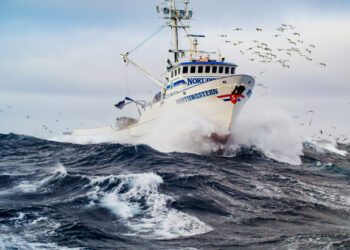
In later seasons, the Northwestern, under the command of Captain Sig Hansen, faced a terrifying 35-foot rogue wave during Season 12, Episode 9. The impact was so severe that it buckled the boat’s thick steel bow, eventually forcing the vessel to return to Seattle for extensive repairs. Sig’s calm leadership during the chaos highlighted the ability of experienced captains to navigate extreme weather fishing when the stakes are at their highest.
The Wizard, captained by Keith Colburn, has arguably battled some of the series’ fiercest storms. Across Seasons 3 through 19, multiple episodes show the crew being lashed by 30 to 40-foot seas and hurricane-force winds. These conditions often lead to freezing spray, which builds dangerous ice loads on the boat’s superstructure. Keith’s difficult decisions to either push through the weather or seek shelter have produced some of the show’s most intense Deadliest Catch storms sequences.
Typhoon-influenced systems have also delivered punishing weather to the fleet. During one notable opilio season around Season 15 and 16, Jake Anderson and the crew of the Saga battled 25-foot waves amid the remnants of a powerful storm system. The encounter tested the endurance of both the boat and the crew. These filmed storms often feature winds exceeding 60 knots and seas that build rapidly due to the Bering Sea’s shallow waters and clashing currents. The footage captures green water crashing over bows, decks disappearing under white water, and crews fighting to secure heavy gear while barely staying upright.
Near-Death Experiences on the Deck
Many fishing disasters featured on the show involve crew members coming dangerously close to tragedy in the blink of an eye. Man-overboard incidents rank among the most heart-stopping moments for viewers and crew alike. In various seasons, including memorable scares on the Northwestern and Time Bandit, deckhands have slipped on icy decks or been swept off their feet by rogue waves. Rapid recovery efforts, often conducted in near-freezing water, have saved lives, though the extreme cold gives victims only minutes before hypothermia sets in.
Rogue waves have produced several other near-misses beyond the Aleutian Ballad event. Multiple boats have taken massive hits that sent 800-pound crab pots sliding across the deck, forcing the crew to scramble for safety. In Season 15, Episode 21, a large wave hit the Karie Marie, sending a 1,000-pound pot crashing into deckhand Cody Rhodes. The impact broke his leg, serving as a stark reminder of how quickly a Bering Sea storm can cause debilitating injury.
Ice buildup is another silent killer that has led to terrifying stability issues. The Time Bandit nearly capsized under massive ice weight in one dramatic episode. The crew was forced to chip away at the frozen layers frantically while the boat listed heavily to one side. Similar incidents across multiple seasons show crews battling to prevent disaster as freezing spray adds tons of top weight, threatening to roll the vessel.
Mechanical failures during these storms further amplify the danger. Engines dying or steering issues occurring mid-storm leave boats vulnerable to the troughs of massive waves. One intense sequence showed a vessel fighting to maintain headway as waves pounded from all directions, while the crew worked desperately below deck to restore power before the boat was overwhelmed.
Boat Damage Incidents and Structural Failures
Deadliest Catch boats endure punishing abuse, and structural damage from waves is a common reality of the job. While the Northwestern’s buckled bow is a famous example, other vessels have suffered cracked windows, bent railings, and dented hulls. In heavy icing events, the sheer weight of the frozen saltwater has strained decks and the boat’s superstructure to their breaking points.
Gear failures often compound these issues. Hydraulics breaking under load or pots breaking free in Deadliest Catch storms have damaged boats and nearly injured the men working the line. In Season 9, a bait chopper accident injured a deckhand’s fingers, immediately halting operations and highlighting that danger exists even in the smaller details of the job.
Groundings and close calls with ice or rocks have also been documented. While these do not always result in full disasters, they highlight the navigation challenges faced in low visibility and rough seas. The show has also been a somber witness to real-world tragedies affecting the fleet, such as the sinking of the Big Valley in Season 1 during the January 2005 opilio season. The overloaded vessel capsized in a storm, resulting in the loss of five out of the six crew members. This tragedy, occurring during the early days of filming, underscored the life-and-death stakes of the industry.
Other off-camera disasters, such as the loss of the Destination in Season 13 (2017) and the Scandies Rose, have been referenced on the show. These incidents involved a combination of overloading, ice, and stability failures that led to capsizing and multiple fatalities. These fishing disasters have directly influenced safety discussions and regulatory changes seen throughout the series.
Crew Survival Stories and Resilience
Amid the constant threat of danger, remarkable stories of survival continue to emerge from the Bering Sea. The lone survivor of the Big Valley sinking demonstrated incredible resilience, even though the loss of his crewmates was devastating. U.S. Coast Guard rescues have also played a major role in the series, pulling crew members from life rafts after abandon-ship situations. This includes the Katmai capsizing in Season 5 (October 2008), where four of the eleven crew members survived after spending hours in a raft.
Deckhand recoveries from man-overboard incidents often involve split-second quick thinking and the effective use of life rings and immediate medical care. In one case, a crew member pulled from the icy waters was treated for hypothermia and eventually returned to limited duty.
Ice-related near-capsizings have seen crews work for hours in brutal conditions to save their vessel. These crew survival stories highlight the necessity of teamwork, preparation, and sheer determination. Even after severe injuries, such as broken bones from swinging pots or crushing incidents, many fishermen eventually return to the deck, driven by the unique lifestyle and the high income potential.
Most Iconic Danger Moments in Series History
Several specific moments have come to define the series’ portrayal of peril.
- The Aleutian Ballad rogue wave from Season 2 remains one of the most visually shocking pieces of wave footage Alaska has ever produced for television.
- Other iconic moments include Sig Hansen’s crew battling a massive storm while simultaneously dealing with mechanical failures across multiple episodes.
- Keith Colburn pushing the Wizard to its limits in whiteout conditions with heavy icing.
- Various man-overboard scares, including dramatic recoveries in Season 15 and beyond, continue to be among the most viewed clips.
- The emotional weight of fleet-wide tragedies, like the Big Valley and later losses, reminds the audience that the danger is not just for the cameras.
These iconic scenes mix spectacular visuals with human drama, showing captains making split-second calls that determine the fate of their men.
The Reality Behind the Footage
It is important for viewers to understand that the Deadliest Catch storms and disasters are not manufactured for the sake of ratings. While editing certainly condenses time to fit a television format, the waves, the ice, and the risks are genuine. Improvements such as better stability checks, modernized gear, and the transition to quota systems have reduced fatalities, but the Bering Sea’s power remains unchanged.
Captains frequently emphasize the need for respect for the sea, proper vessel loading, and prioritized crew safety. Many of the incidents filmed for the show lead to better safety practices across the entire fleet. For viewers, these moments offer more than just entertainment; they provide a deep respect for the fishermen facing extreme weather fishing on a daily basis. The combination of stunning wave footage Alaska, human stories, and raw danger keeps audiences returning season after season. The next time a boat disappears under a wall of water on screen, it serves as a reminder of the reality of one of the world’s toughest jobs.
FAQ
What was the worst storm on Deadliest Catch?
The Aleutian Ballad rogue wave in Season 2 and multiple Northwestern and Wizard encounters rank among the most intense.
How many boats have sunk on the show?
The series has covered real sinkings like Big Valley (Season 1) and referenced others, though many featured boats survive damage.
Are the storms exaggerated?
No. Footage is real, though condensed. The Bering Sea routinely produces 30–60+ foot seas in storms.
What safety changes followed big disasters?
Stricter loading checks, better icing protocols, and improved gear after incidents like Big Valley.
This deep dive into Deadliest Catch storms and fishing disasters honors the real risks while celebrating the resilience of those who face them.