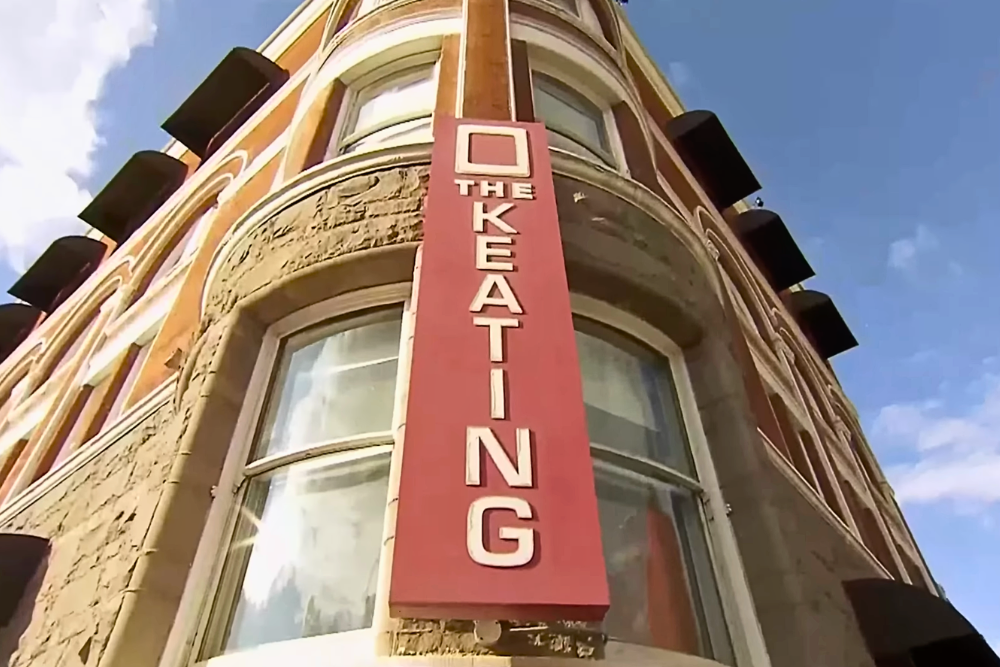
The Cambridge Hotel from Hotel Hell closed after foreclosure in 2012 before becoming an assisted living residence. Here’s what happened after Gordon Ramsay’s visit.
The Cambridge Hotel in Cambridge, New York, was a beloved 19th-century landmark with a reputation that stretched well beyond the village. It was especially famous for its signature pie à la mode—a warm slice of pie served with a scoop of ice cream—a classic American dessert the hotel proudly celebrated for generations.
By the time Gordon Ramsay arrived to film Season 1, Episode 3 of Hotel Hell, the historic Cambridge Hotel was already struggling. Outdated guest rooms, inconsistent service, declining food quality, and mounting financial pressure had left the once-popular destination fighting for survival. Ramsay’s visit highlighted both the property’s enduring charm and the operational and financial problems threatening its future.
More than a decade later, fans still ask what happened to the Cambridge Hotel after Hotel Hell and whether it is still open today.
A Storied 19th-Century Landmark
The Cambridge Hotel first opened its doors in 1885 in the small village of Cambridge, located in Washington County near the Vermont border, about 35 miles northeast of Albany. For generations, it served as a beloved local landmark and a welcoming stop for travelers. The hotel earned a special place in culinary history through its long-standing claim of inventing pie à la mode—warm apple pie served with ice cream—a dessert it proudly promoted for decades.
Beyond its culinary legacy, the hotel played an important role in community life. It hosted events connected to the annual Tour of the Battenkill cycling race, the Cambridge Valley Apple Festival, and the Cambridge Valley Balloon Festival. With 16 guest rooms and a full-service restaurant, it combined historic charm with a reputation for warm hospitality in a picturesque rural setting. Stories of the hotel being haunted also added to its appeal for visitors seeking something a little different.
By the early 2000s, however, the property faced many of the same challenges confronting historic rural hotels across America. Extensive renovations carried out in 1998–1999 under previous owners, including Graeme “Tink” Parrish—after whom the hotel’s pub was named—modernized the building but could not prevent its eventual closure around 2005 as financial pressures mounted.
John Imhof Takes Ownership in 2007
In 2007, local attorney John Imhof purchased the hotel with the support of his wife, Tina, and their family. After additional refurbishments, the Imhofs reopened the property around 2008. Their daughter, Shea, and her husband, Rich Wilson, who served as executive chef, became actively involved in the operation. For John Imhof, a military veteran and practicing attorney with no previous hospitality experience, the purchase represented both a business venture and a family project.
Initially, the revived hotel showed promise. It celebrated its 125th anniversary in 2010 and remained closely involved in community events. Beneath the surface, however, financial pressures continued to build. The costs of maintaining a historic building in a rural location, combined with inconsistent business, reportedly resulted in annual losses of hundreds of thousands of dollars. Debt continued to accumulate, with some reports placing it at around $750,000. Staff members also described operational challenges, including Imhof’s highly hands-on management style.
Gordon Ramsay Arrives: The Hotel Hell Episode
In late 2011 or early 2012, producers selected the Cambridge Hotel for Hotel Hell, Gordon Ramsay’s new series dedicated to helping struggling inns and hotels. Filming took place over several days from January 25 to January 28, 2012. The production generated considerable excitement in the quiet village, with Broad Street temporarily closed in front of the hotel, reservations filling quickly, and residents eagerly following the filming.
Ramsay found a property with undeniable character but significant operational problems. The guest rooms felt tired and outdated, service lacked consistency, and the kitchen relied heavily on boil-in-the-bag meals and microwaved food instead of fresh cooking. Even the hotel’s signature pie à la mode was sometimes served with frozen or undercooked elements, a point Ramsay criticized during the episode.
Throughout his visit, Ramsay introduced practical improvements. The hotel received refreshed décor, a simplified menu focused on fresh ingredients, and renewed attention to properly preparing its famous pie with homemade ice cream.
One of the episode’s most memorable moments centered on young kitchen assistant Scooter Telford. Despite having undergone two heart surgeries and back surgery, Scooter impressed Ramsay with his determination and dream of one day opening his own bakery. Moved by his story, Ramsay offered to pay for the remainder of Scooter’s culinary education, asking only that Scooter bring him the first loaf of bread from his future bakery.
Another standout staff member was general manager Brittany Thomas, whose calm and organized approach earned praise from many viewers. Throughout Ramsay’s visit, she helped keep daily operations running, openly acknowledged the hotel’s challenges, and played a key role in the successful Ladies Night event, which demonstrated what the team could achieve with stronger planning and coordination.
Ramsay also confronted the hotel’s management style. In one of the episode’s best-known scenes, he locked John Imhof in a neglected upstairs room during dinner service to demonstrate that the staff could successfully operate without constant owner oversight. The redesigned service proved successful, and by the episode’s conclusion, Imhof appeared more willing to trust his employees.
Season 1, Episode 3 aired on August 20, 2012, introducing many viewers to Ramsay’s hotel-focused series while preserving a snapshot of the Cambridge Hotel during one of the most difficult periods in its history.
Foreclosure and Closure in 2012
Unfortunately, the improvements showcased on television could not overcome the hotel’s longstanding financial problems. The property had already been struggling to keep up with mortgage payments before filming began. In the spring of 2012, Glens Falls National Bank initiated foreclosure proceedings over approximately $468,000 in unpaid debt.
A farewell “one last hurrah” celebration on June 18, 2012, marked the end of the Imhof family’s ownership. The Cambridge Hotel officially closed as a hotel and restaurant roughly two months before its Hotel Hell episode aired on television.
Following a foreclosure auction, the bank assumed ownership of the property. In November 2013, Albany-based ICC Management and Consulting Corp. purchased the building for $375,000. By early 2015, the former hotel had been converted into an assisted living residence. Furniture and antiques from the hotel were auctioned, with proceeds benefiting a local church.
What Is the Cambridge Hotel Today?
The former Cambridge Hotel is no longer open as a hotel or public restaurant. Since 2015, the building has operated as an assisted living facility, providing housing and care for elderly and disabled adults in the Cambridge area.
Although its purpose has changed, much of the building’s historic exterior and architectural character have been preserved, allowing the landmark to remain an active part of the community. ICC Management already operated another assisted living center nearby, making the conversion a natural extension of its local services.
While travelers can no longer book a room or enjoy dinner at the restaurant, the property’s legacy continues through its history, its Hotel Hell appearance, and its ongoing role within the community.
The Broader Legacy and Impact
The Cambridge Hotel episode remains one of the most memorable installments of Hotel Hell. As one of the series’ earliest episodes, it demonstrated both the strengths and limitations of Gordon Ramsay’s approach. While refreshed décor, operational changes, and renewed staff confidence made a visible difference, they could not erase years of mounting debt and the financial realities facing a historic rural hotel.
The experience also marked a turning point for many of the people involved. John Imhof returned to public service, accepting a position overseeing military commissions at Guantanamo Bay before continuing in other federal roles and eventually retiring in Florida with his wife, Tina. Scooter Telford’s determination and Ramsay’s offer to fund his culinary education became one of the series’ most memorable moments, while general manager Brittany Thomas earned lasting respect from viewers for her steady leadership during the hotel’s most difficult period before largely stepping away from the public eye after its closure.
Although the Cambridge Hotel no longer operates as an inn or restaurant, its story continues to resonate with Hotel Hell fans and local residents alike. Today, the building serves the community as an assisted living residence, while its television appearance preserves the legacy of a historic landmark whose final chapter as a hotel became part of Gordon Ramsay’s early Hotel Hell journey.